 Vancouver Trip Guide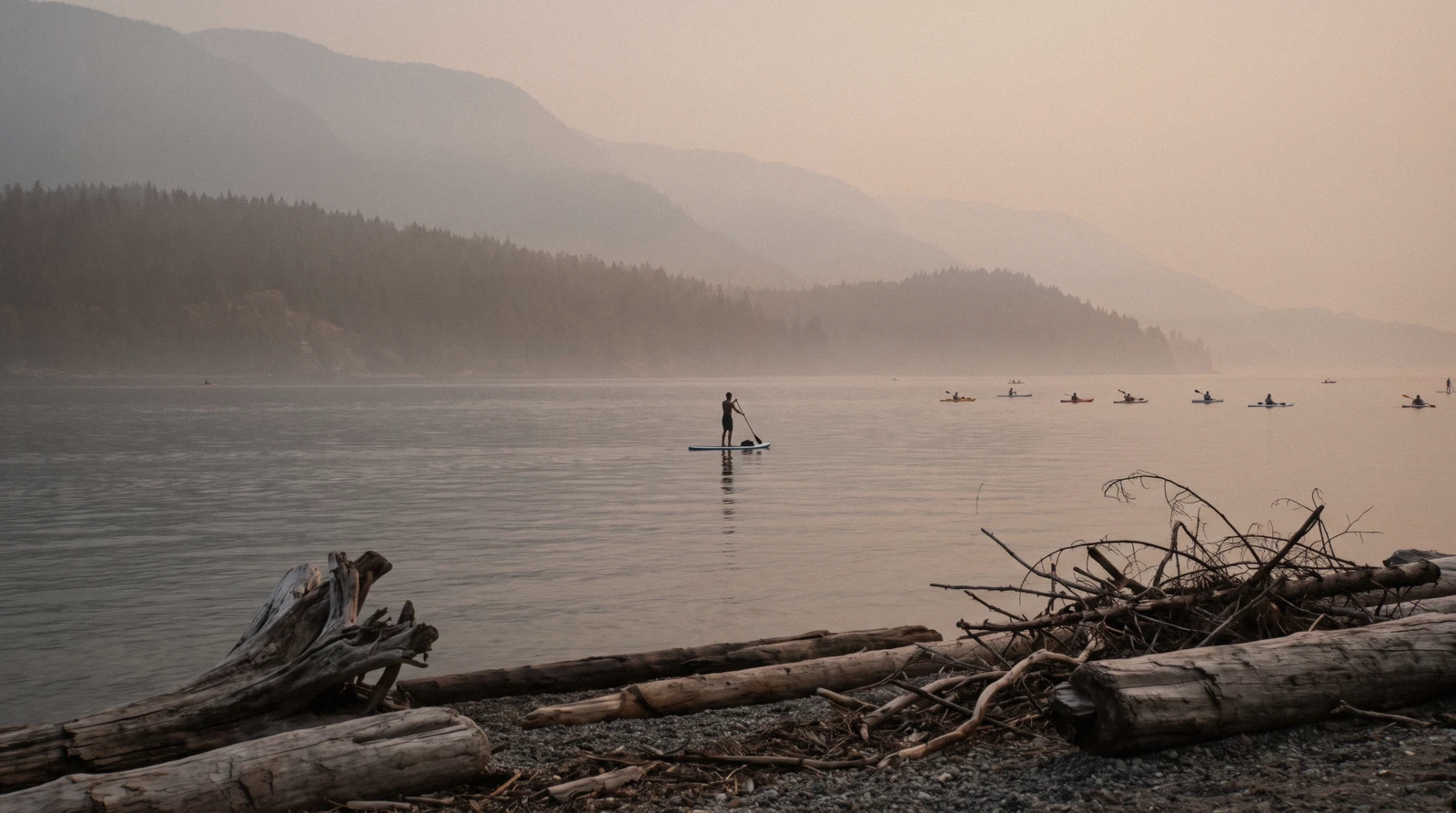
Vancouver in Summer
Vancouver in summer is drier than almost anyone expects: July averages 36 mm of rain across 6.3 days with measurable precipitation, against 189 mm and 20.4 days in November, and the daytime high sits at 22.2 degrees Celsius in July and 22.3 in August. That is the whole case for coming between June and September, and it is a strong one. What the guides get wrong is the other half. The city's two heated outdoor pools have short seasons that end in the first half of September, the lifeguards leave at Labour Day, the fireworks festival every competing page still prints has been cancelled indefinitely, and August and September carry a wildfire-smoke risk that has touched this region in seven of the last ten years. This page sets out what is open, what the water costs, how late the evenings run, and the two things worth checking before you book. The month-by-month numbers are on the best time to visit page, the other end of the year is on Vancouver in winter, the dated listings are on the events calendar, and for the rest of the trip see what to do in Vancouver.
Quick answer How dry it really is, what is open, and the two caveats
July and August are the driest months of the Vancouver year: 36 mm and 37 mm of rain over 6.3 and 6.7 wet days, with average highs of 22.2 and 22.3 degrees Celsius. Nine City beaches are free and lifeguarded from Victoria Day to Labour Day, and the two heated outdoor pools are $5.74 (CA$7.93) an adult before tax. Two caveats matter: there are no summer fireworks any more, and August is the smoke month.
Key takeaways
- The Honda Celebration of Light is gone. Its organisers state that they "made the difficult decision to cancel the Honda Celebration of Light indefinitely", and no 2026 or 2027 dates exist. What still runs lists the festivals that do.
- The swimming season is twelve weeks, not a summer. Lifeguards work noon to 8 pm from Victoria Day to Labour Day, Kitsilano Pool ran 17 June to 13 September and Second Beach Pool closed on 7 September. The water section has both seasons and every rate.
- Wildfire smoke has affected this region's air quality in seven of the last ten years, with August the peak month, and the thing to check is the AQHI on a 1 to 10+ scale updated hourly. The smoke section explains it without exaggerating it.
- Summer is the only season the big day trips run at full price and full frequency. A Whistler and Sea to Sky day and a Victoria and Butchart Gardens day are both summer-shaped and both long; what summer costs prices the alternatives.
- Evenings run later than the latitude suggests: lifeguards to 8 pm, alcohol permitted on seven beaches to 9 pm, a free night market on the North Shore to 10 pm and the Richmond one to midnight. The evening section has the hours.
What a Vancouver Summer Actually Does
Temperature is the thirty-year mean from the Open-Meteo ERA5 reanalysis at the city's own coordinates; rainfall and wet days are Environment and Climate Change Canada's measured normals at Vancouver International, because the reanalysis roughly doubles the rain over this coast and would have told you July gets 46 mm rather than the observed 36.
The single most useful number on this page is 6.3, the average count of days in July with measurable precipitation at the airport. Vancouver's reputation is built on November, which averages 20.4 such days and 189 mm. In July the city gets less than a fifth of that rain across less than a third of the days, and only 2.4 of those days carry 5 mm or more.
| Month | Average high | Average low | Rain | Wet days, and how many are heavy |
|---|---|---|---|---|
| June | 18.7°C (66°F) | 11.8°C (53°F) | 54 mm | 11.5, of which 3.4 carry 5 mm or more |
| July | 22.2°C (72°F) | 14.6°C (58°F) | 36 mm | 6.3, of which 2.4 carry 5 mm or more |
| August | 22.3°C (72°F) | 15.0°C (59°F) | 37 mm | 6.7, of which 2.4 carry 5 mm or more |
| September | 18.8°C (66°F) | 12.5°C (54°F) | 51 mm | 8.3, of which 3.4 carry 5 mm or more |
Two readings of that table are worth carrying into a booking. The first is that June is not summer here. It is three and a half degrees cooler than July, gets half again as much rain over nearly twice as many wet days, and the pools are shut for the first half of it; Kitsilano Pool did not open until 17 June 2026. The second is that September holds up better than its reputation, at 18.8 degrees and 8.3 wet days, which is drier than any month between October and May. What September loses is the staffed infrastructure rather than the weather: the lifeguards, the pools and the seasonal markets all stop in the first two weeks.
One thing this page will not give you is an hour-by-hour sunshine figure or a sunset time, because no official source read for this site publishes either for Vancouver. What is on the record instead is behavioural, and it is in the evening section: the hours the City lets people stay on a beach with a drink, the hours the lifeguards work, and the hours the night markets trade. Those are published, and they describe the length of a summer evening better than a table of sunset times would.
Open-Meteo ERA5 archive 1995 to 2024 at 49.2827 N, 123.1207 W; Environment and Climate Change Canada Canadian Climate Normals 1981 to 2010, VANCOUVER INT'L A, climate identifier 1108447, via api.weather.gc.ca. Read in Q3 2026.
The Water: Nine Free Beaches and Two Heated Pools
Everything a Vancouver summer is famous for is on the shoreline, and almost all of it costs nothing. The City runs nine beaches, in its own words "eight by the ocean, one by a freshwater lake", offering "18 km of beautiful outdoor space". The exceptions are two heated outdoor pools and they share one fee card.
The pools are the only thing here with a ticket, and both dates and rates are the City's own, published before tax. The 2026 seasons were short at both ends: Kitsilano Pool ran 17 June to 13 September and Second Beach Pool closed on 7 September, and neither page publishes the following year's opening date.
| Ticket or season | Kitsilano Pool | Second Beach Pool | The detail that matters |
|---|---|---|---|
| 2026 season | 17 June to 13 September | Ended 7 September | Neither page publishes a 2027 opening date, so a June visit needs checking rather than assuming |
| Adult, 19 to 64 | $5.74 (CA$7.93) | $5.74 (CA$7.93) | One city-wide outdoor-pool fee card; "Prices do not include taxes" |
| Senior 65+ or youth 13 to 18 | $4.02 (CA$5.55) | $4.02 (CA$5.55) | Same rate for both bands |
| Child, 5 to 12 | $2.88 (CA$3.97) | $2.88 (CA$3.97) | Children 7 and under need a guardian aged 16 or over in the water within arm's reach |
| Sessions | 7:00 to 10:30, 11:00 to 14:30, 15:00 to 19:00 | 8:00 to 10:00, 10:30 to 13:30, 14:00 to 17:00, 17:30 to 20:00 | 75% of each session sells online three days ahead at noon; 25% is held for drop-ins with no guarantee |
| The pool itself | 137 m, salt water, the city's only one | 80 m, fresh water, with a 50 m length section | Kitsilano is outdoor saltwater; Second Beach is chlorinated fresh water inside Stanley Park |
| Last 45 minutes of a session | Half price | Half price | Not available on a reservation, and not on the early length swims |
The beaches are free, and the season on them is defined by staff rather than weather. The City's wording is that "lifeguards are on duty from noon to 8pm starting Victoria Day" and that "hours will change in August because of the sun setting earlier", with red and yellow flags marking when guards are on. That season ends at Labour Day, which in 2026 fell on 7 September. After that the beaches stay open and nobody is watching the water.
There is a count worth flagging rather than asserting. A City news item from 1 May 2026 is headlined "Park Board approves continuation of lifeguarding at nine beaches" while its own summary says nine outdoor beaches "except Trout Lake". Since Trout Lake is the one freshwater beach of the nine, the defensible statement is that the eight ocean beaches are guarded. The parks and beaches page compares all of them on facilities, transit and accessibility equipment.
One summer-only rule catches people out. Alcohol is permitted on seven named beaches from 15 May to 30 September, 11 am to 9 pm, for over-19s, with no glass bottles or containers of any kind allowed under the Parks Control By-law. The seven are Jericho, Spanish Banks, Locarno, Second Beach, Kitsilano, Trout Lake and New Brighton. English Bay, Sunset Beach, Third Beach, CRAB Park and the Fraser River beaches are specifically excluded, which means the three most crowded downtown beaches are the three where it is not allowed. Cannabis is separate and simpler: 19 and over, and banned in every Vancouver park, on every beach and on the seawall.
Pool seasons, sessions and the fee card from vancouver.ca/parks-recreation-culture/kitsilano-pool.aspx and the Second Beach Pool page; lifeguard hours and the nine-beach count from vancouver.ca/parks-recreation-culture/beaches.aspx; the beach alcohol programme from vancouver.ca/parks-recreation-culture/alcohol-in-parks.aspx. All read in Q3 2026. Converted at CA$1 = US$0.7244.
How Late a Summer Evening Runs Here
Vancouver sits at 49 degrees north, which makes July evenings long, and the useful way to measure that is not a sunset time but the hours the city itself lets things stay open. Every hour below is published by the operator or by the City.
Read together, these hours describe an evening that keeps going well past dinner without anything staying open all night. The last lifeguard leaves at 8, the beach drinking window closes at 9, one night market runs to 10 and the other to midnight.
| What | Hours | Season | Cost |
|---|---|---|---|
| Lifeguards on the ocean beaches | Noon to 8 pm, shortening through August | Victoria Day to Labour Day | Free |
| Alcohol on seven named beaches | 11 am to 9 pm, 19 and over, no glass | 15 May to 30 September | Free |
| The designated public plazas | 11 am to 9 pm | 10 May to 16 October, then 11 am to 5 pm | Free; 13 plazas in the 2026 to 2029 programme |
| Shipyards Night Market, North Vancouver | Fridays 3 to 10 pm | 15 May to 11 September 2026 | Free |
| Richmond Night Market | Friday, Saturday and statutory Sundays 7 pm to midnight; ordinary Sundays 7 to 11 pm | 24 April to 20 September 2026 | $5.07 (CA$7); neither ticket is sold in advance |
| Bard on the Beach, Vanier Park | Evening performances on two tented stages | 9 June to 19 September 2026 | From $21.70 (CA$30) |
| Stanley Park roads and the seawall | Park open 6 am to 10 pm unless posted | Year-round | Free; pay parking applies 6 am to 11 pm every day of the year |
The practical shape of a good summer evening in Vancouver is a walk rather than a venue. The seawall runs 28 km from the Convention Centre to Spanish Banks, split into a walking lane on the water side and a wheeling lane inside, and the western half of it faces the sunset the whole way. English Bay is the busiest point on that stretch, which the City calls "the most populated beach area in Vancouver's downtown area", and Third Beach at Ferguson Point is the quiet end of the same walk, described by the City as "a great beach for quiet bathing, picnics, and watching sunsets".
One caution about the park after dark, and it is a parking one rather than a safety one. Pay parking inside Stanley Park runs to 11 pm on every roadway and every lot, all year, and it is enforced. The evening on the beach is free; the car that took you there is not.
The "no fun city" reputation, and what changed
Vancouver has been known for decades as the No Fun City, a label earned by restrictive licensing, early closing and a long municipal habit of policing public space rather than programming it. The summer rules on this page are the clearest evidence that the label is dated. Drinking alcohol in parks and on beaches is now a permanent City programme rather than a pilot, approved after trials in 2023 and 2024: 31 parks allow it year-round, 16 more from 1 July to 31 August, and seven beaches from 15 May to 30 September. The public plaza programme runs on the same footing, with 13 designated plazas signed up for 2026 to 2029 and hours of 11 am to 9 pm from 10 May to 16 October. None of that existed a decade ago.
What has not changed is that the fun here is outdoors and it stops early. The beach window closes at 9 pm, the parks close at 10, and the city has no late-night district in the sense that Montreal or Toronto does. If a Vancouver summer evening disappoints anyone, it is the visitor who expected a bar strip and got a shoreline.
Beach and plaza alcohol hours from vancouver.ca; the Shipyards Night Market season from the City of North Vancouver; the Richmond Night Market season and prices from richmondnightmarket.com; Bard on the Beach dates and starting price from bardonthebeach.org. All read in Q3 2026.
The Summer Events That Still Run, and the One That Does Not
This is the section where this page disagrees with almost every other Vancouver guide on the internet. The city's biggest summer event no longer exists, and its own organisers say so on their homepage.
The Vancouver Fireworks Festival Society's own words, read on their site in Q3 2026: "after many months of outreach to governments and the business community, the Vancouver Fireworks Festival Society (VFFS) has made the difficult decision to cancel the Honda Celebration of Light indefinitely." There are no 2026 dates, no country line-up and no viewing-location guidance published anywhere, because there is no event. Pages still printing late-July fireworks dates for English Bay are printing something that was true in a previous year.
| Event | 2026 dates | Admission | What it actually is |
|---|---|---|---|
| Honda Celebration of Light | Cancelled indefinitely | None | The three-night international fireworks competition over English Bay, ended by its own society |
| Summer Lights in English Bay | Friday 31 July 2026 | Free | A single free fireworks display during Pride week, and the closest thing left to the old event |
| Vancouver Pride Parade | Sunday 2 August 2026, week from 25 July | Free to watch | The 48th parade, from Pacific Boulevard near BC Place to Howe Street; the organisers claim over 100,000 attendees |
| Bard on the Beach | 9 June to 19 September 2026 | From $21.70 (CA$30) | The 37th season, two tented stages at Sen̓áḵw and Vanier Park, four productions |
| PNE Fair | 22 August to 7 September 2026 | $21.70 (CA$30) Any Day Ticket | A 15-day run; a limited Any Day Thrill Ride Pass add-on is $29.00 (CA$40) and parking is $21.00 (CA$29) |
| Canada Together, Canada Place | 1 July 2026 | Free | The 40th year of the Canada Day event at Canada Place, run with the Musqueam, Squamish and Tsleil-Waututh Nations |
| Richmond Night Market | 24 April to 20 September 2026 | $5.07 (CA$7) | Friday to Sunday evenings, one block from Bridgeport Station; a Zoom Pass to skip the queue is $29.00 (CA$40) |
Two smaller cautions on that table. The PNE publishes its run as 22 August to 7 September, but its own 2026 show guide is titled for 25 August to 7 September, which implies dark days inside the window that no official page names. Advance admission tickets also carry a CA$2 service fee. And the Canada Day event's 2026 hours are not published on the recap page at all; the port authority gave 11 am to 6 pm in a previous year, which is a reasonable expectation and not a fact.
The wider point about a Vancouver summer is that the events are not the reason to come. The beaches, the seawall, the mountains and the day trips are, and they run every day between June and September without a ticket or a date. The events calendar keeps the dated listings for the whole year; this page keeps the ones that shape a summer week.
The cancellation is quoted from hondacelebrationoflight.com, read in Q3 2026 and re-verified by direct fetch on that date. Pride dates and the Summer Lights display from vancouverpride.ca/events; PNE dates, ticket and parking prices from pne.ca; Canada Together from canadaplace.ca/canadatogether.
Wildfire Smoke in August and September, Honestly Stated
This is the second thing summer guides leave out, and it deserves neither a shrug nor a scare. Smoke is an intermittent risk here rather than an annual certainty, and there is one official number to check when it matters.
Metro Vancouver's own 2024 annual air quality summary states that "wildfire smoke has impacted Metro Vancouver's air quality in seven of the last 10 years", and that the highest monthly average fine-particulate concentrations were recorded in 2017, 2018, 2020 and 2022. The two most recent seasons on the record show the range. In 2023, Canada's worst wildfire season in recorded history, with 2.84 million hectares burned in British Columbia alone against a twenty-year average of a tenth of that, Metro Vancouver issued five air quality advisories in effect for a total of 10 days, and the region's worst impacts came in August from fires in BC and Washington. In 2024 it issued one air quality warning, in effect for three days in early July, for ground-level ozone rather than smoke, and no wildfire-smoke warning was issued at all.
The thing to check is the Air Quality Health Index. British Columbia describes it as an hourly rating "based on the health risk from a mixture of 3 air pollutants", fine particulate matter, ground-level ozone and nitrogen dioxide, on "a number and colour scale of 1 to 10+" labelled low, moderate, high or very high. It differs from the American-style index most visitors know because it combines the health risk of all three pollutants rather than reporting the single worst one. Metro Vancouver updates it hourly and directs residents to clearairbc.ca for live readings; the province's live wildfire map is at wildfiresituation.nrs.gov.bc.ca, and BC averages 1,600 wildfires a year.
One piece of terminology, because the wording changed. Metro Vancouver now issues "air quality warnings", previously called advisories, with a lesser "air quality bulletin" for short-term, localised problems. The advisory programme itself has been running since 1993, and no 2025 annual summary had been published when this page was written, so the seven-in-ten figure is the most recent published frequency rather than a current-season one.
What to do about it, practically: nothing in advance. Smoke cannot be forecast at booking range, it clears with a weather change rather than a season, and a smoky week is a reason to move a mountain day indoors rather than to cancel a trip. Check the AQHI on the morning of a hike or a gondola, and keep the rainy day page as the fallback list, because the indoor options are the same ones.
Quotations from Metro Vancouver's annual air quality summaries for 2023 and 2024, and the AQHI definition from the Province of British Columbia. Wildfire average from BC Wildfire Service. All read in Q3 2026.
What Summer Costs, and Where the Season Changes the Price
Vancouver's own attractions charge the same in July as in January. What changes in summer is the day trips, where seasonal rate bands and short operating windows move the numbers, and the hotels, where the whole city is competing for the same rooms.
Four of the region's headline tickets carry a summer band or a summer-only season, and one of them is nearly 16% more expensive in July than in the second half of September. Every figure is the operator's own published rate, converted at CA$1 = US$0.7244.
| Ticket | Summer price | The rest of the year | The season detail |
|---|---|---|---|
| Whistler Alpine Experience and PEAK 2 PEAK | $79.70 (CA$110) adult | $68.80 (CA$95) in the fall season | Summer season 13 June to 7 September 2026; fall season 8 to 20 September |
| The Butchart Gardens, Victoria | $32.10 (CA$44.25) adult, tax included | $26.60 (CA$36.75), then $20.70 (CA$28.60) in autumn | Youth is exactly half the adult rate and there is no senior or student discount at all |
| Sea to Sky Gondola, Squamish | $59.40 (CA$81.95) at the window | $53.60 (CA$73.95) booked online, any season | Closed 9 to 26 November for maintenance; the online saving is the same all year |
| Gulf of Georgia Cannery, Steveston | $10.69 (CA$14.75) adult | Same all year | There was a free-admission window from 19 June to 7 September under the Canada Strong Pass; those windows move every season |
| Capilano Suspension Bridge | $55.70 (CA$76.95) adult | Same all year, pre-GST | A 25% twilight discount after 5 pm ran to 8 October 2026; the published rate excludes GST |
| Grouse Mountain | $64.50 (CA$89) adult | Same all year | The Grouse Grind is a free uphill hike; the CA$20 download ticket for the Skyride back down is the summer cost most people miss |
| The two City outdoor pools | $5.74 (CA$7.93) adult, pre-tax | Shut | Roughly twelve weeks a year, mid June to mid September |
Hotels are the part of a summer budget that moves most, and the honest planning figure is not the one in the headlines. Destination Vancouver's downtown occupancy ran 76% with an average daily rate of CA$343 across January to June 2026, which is about $248.50; June alone hit 73% occupancy at CA$518, but that is a FIFA World Cup number rather than a planning number. Whatever the rate, the tax is fixed and steep: a Vancouver hotel room carries 18.5% in government tax, made up of 8% provincial sales tax, a 3% municipal and regional district tax, a 2.5% Major Events levy in force to 31 January 2030 and 5% GST, and Destination Vancouver's own breakdown reaches 20% once a 1.5% industry marketing fee is included. Where to stay works that through by area.
The cheap end of a Vancouver summer is unusually cheap, which is worth saying plainly. Every beach, every park, the whole 28 km seawall, both national historic districts and the Shipyards Night Market cost nothing. A day that consists of a bus fare, a swim at CA$7.93 and a walk is a genuinely good day here, and the free things to do page is not a consolation list.
Getting to the mountains without a car adds up quickly, though, so budget it. There is no public transit to Whistler at all: the coach operators charge from $23.20 (CA$32) one way from downtown and $39.80 (CA$55) from the airport, which is why the organised Whistler day trips at around $123 including the gondola stop are competitive rather than a markup.
Whistler and Butchart rate calendars, Sea to Sky Gondola prices, cannery admission, Capilano and Grouse rates all read from the operators' own pages in Q3 2026. Hotel occupancy, average daily rate and the 18.5% tax breakdown from Destination Vancouver. Converted at CA$1 = US$0.7244.
The Bookings That Only Make Sense Between June and September
These are the trips that are either summer-only or materially better in summer: the water, the air and the two long day trips that need daylight at both ends. Operator prices in US dollars as read in Q3 2026, and each card links to the operator's own calendar.
 from $186.64
Top rated
from $186.64
Top rated
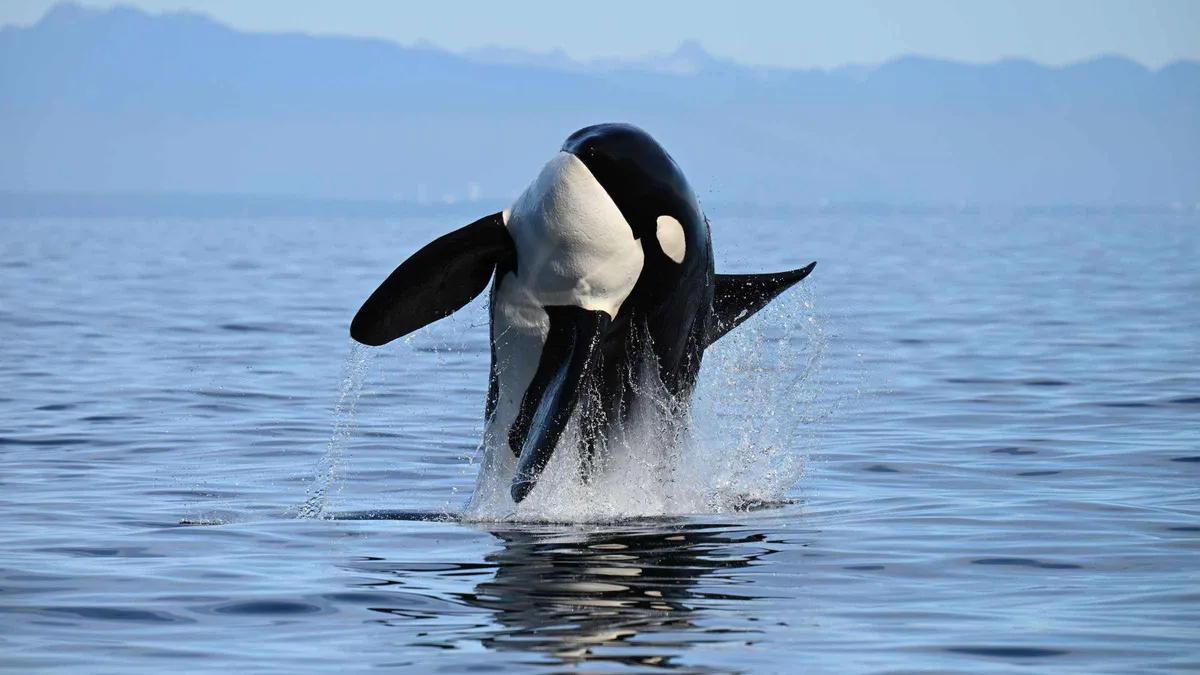
Vancouver: Whale & Wildlife Watching Tour with Free Photos
Up to five hours into the Salish Sea on a covered catamaran with heated cabin, three viewing decks and a naturalist on board. Photos are included and a no-sighting trip earns a free repeat, which is worth knowing before you book a single-day visit.
Check Availability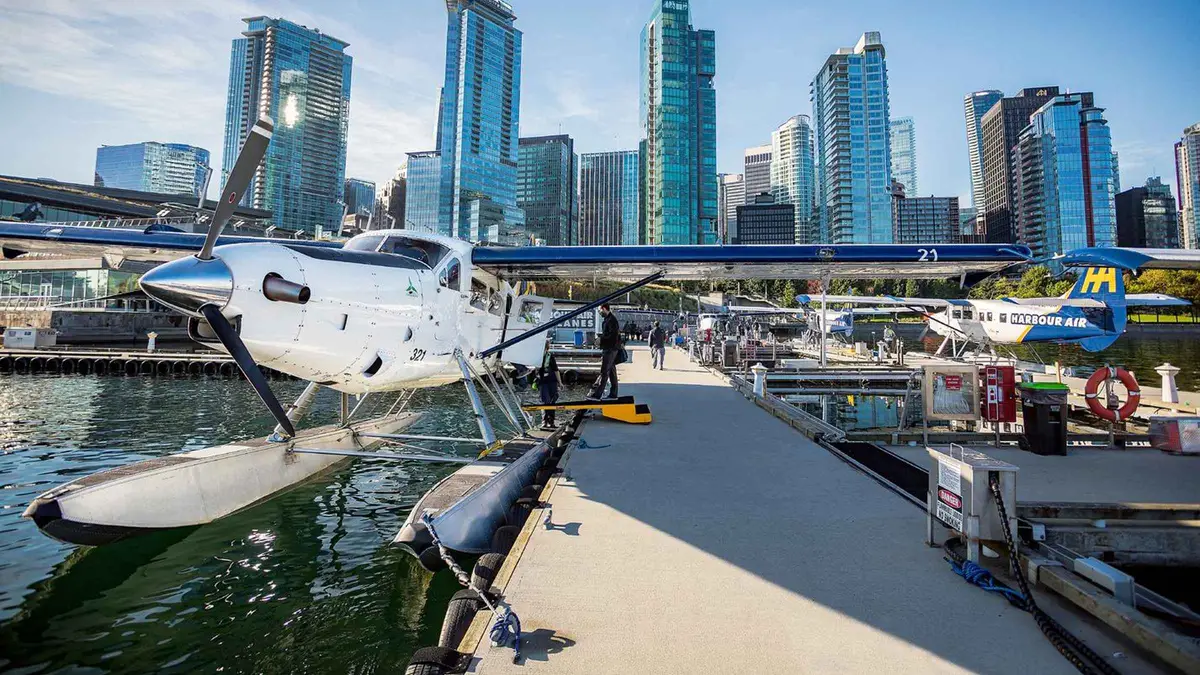 from $137
Top rated
from $137
Top rated
Vancouver: Original Panorama Seaplane – Mountain & Coast
The original Harbour Air panorama: 30 minutes over Stanley Park, the Lions Gate Bridge, Horseshoe Bay and the downtown core, in a floatplane capped at eight seats. It leaves from Coal Harbour, a few minutes walk from the cruise terminal.
Check Availability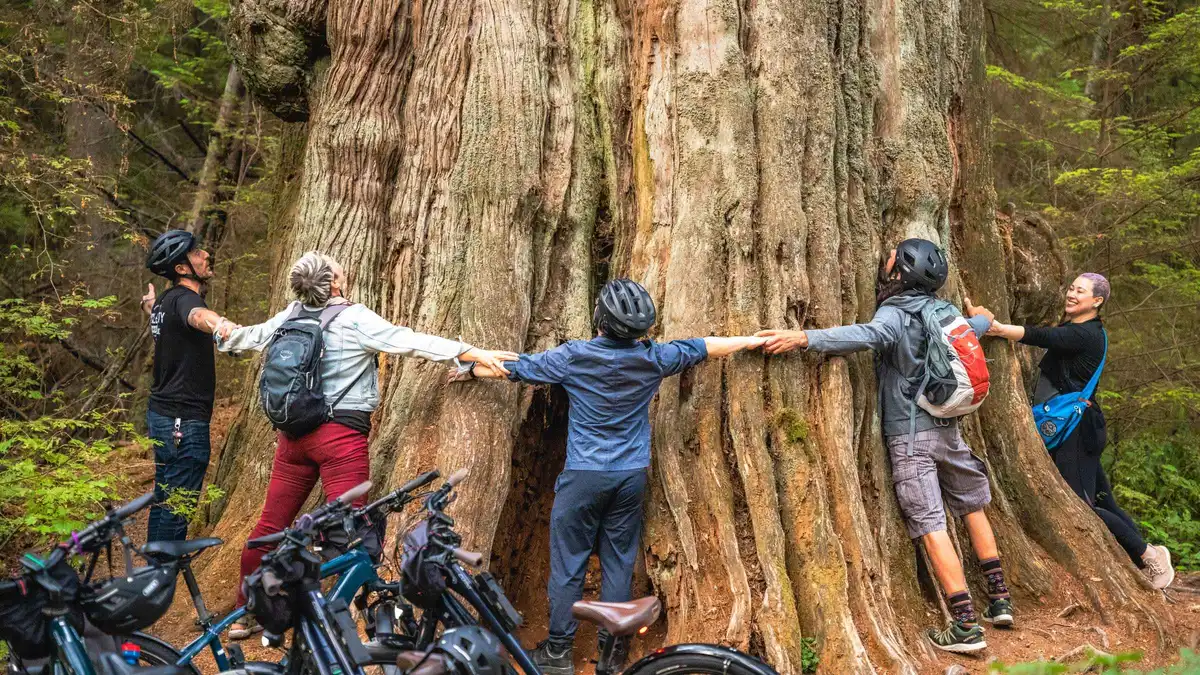 from $75.70
Top rated
from $75.70
Top rated
Vancouver: Stanley Park Bicycle Tour
Three hours and 12 flat kilometres through the West End, English Bay and Stanley Park with a guide who stops for the totem poles, Beaver Lake and the forest trails. Bike and helmet are included; e-bike upgrades are in-store only.
Check Availability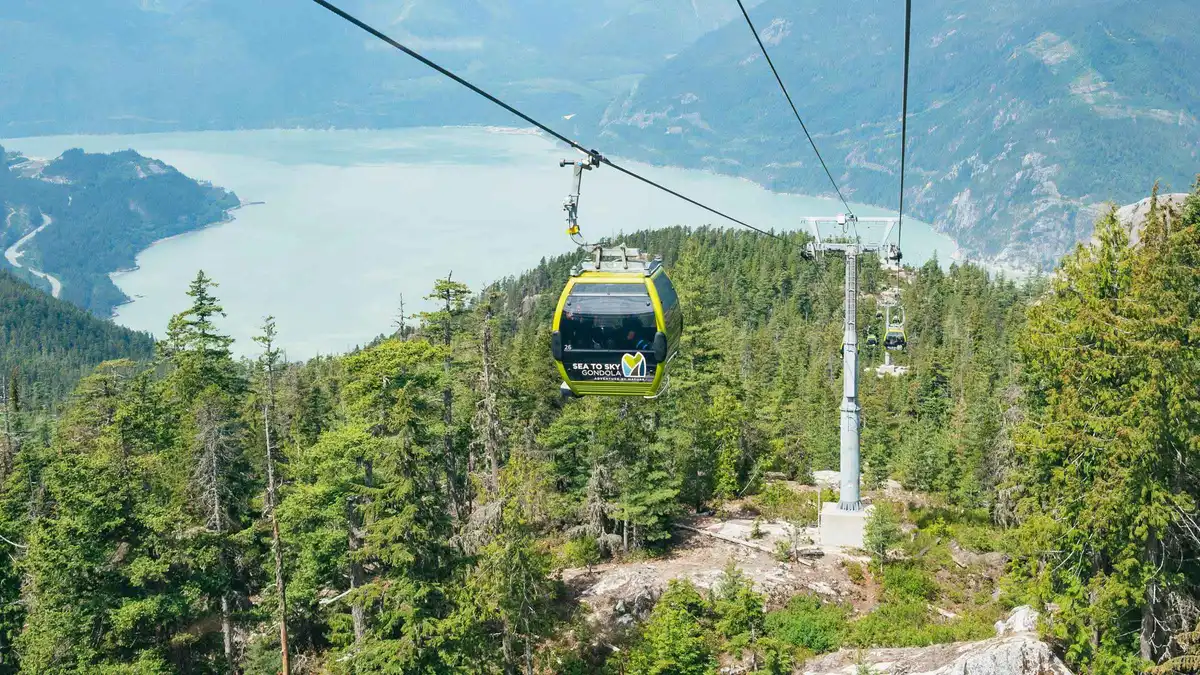 from $123.34
Certified by GetYourGuide
from $123.34
Certified by GetYourGuide
From Vancouver: Whistler, Sea to Sky Gondola & Shannon Falls
Ten hours covering Shannon Falls, the Sea to Sky Gondola with 90 minutes at the Habrich Ridge summit, and free time in Whistler Village. The gondola ticket and hotel pickup are included, meals and tips are not.
Check Availability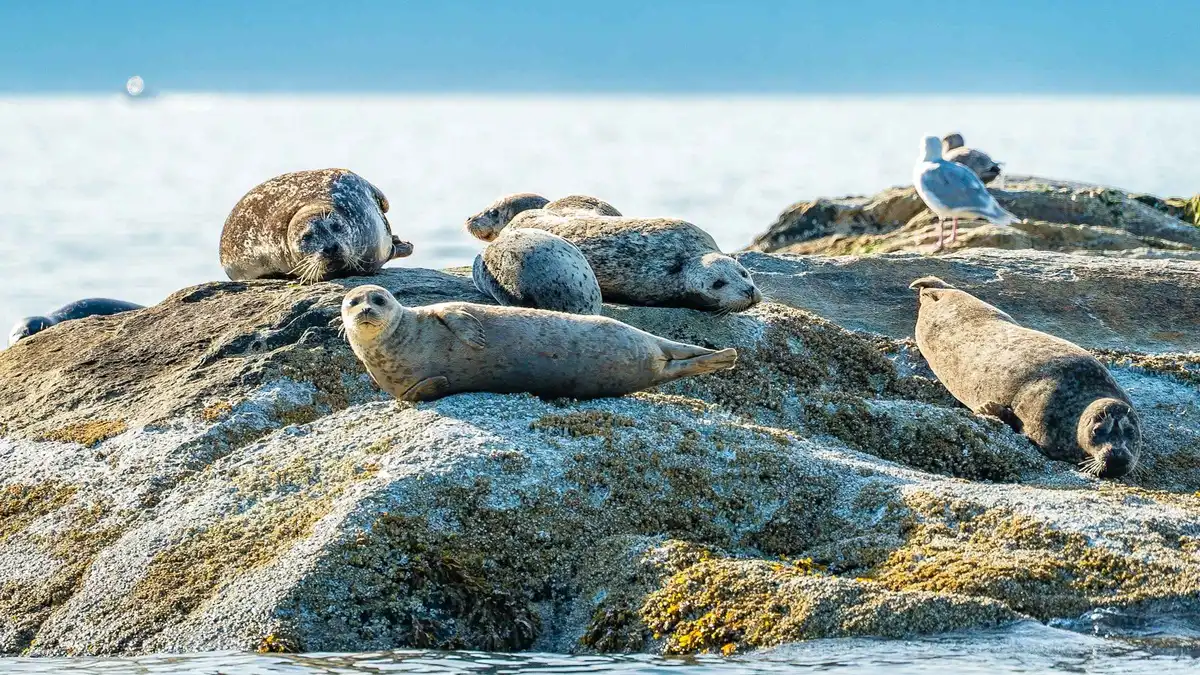 from $79.08
Top rated
from $79.08
Top rated
Vancouver: City and Seals Boat Tour
Ninety minutes out through English Bay to Lighthouse Park and the West Vancouver seal colony, then back into False Creek. Weather suit and life jacket supplied, minimum height 120 cm, hotel pickup included.
Check Availability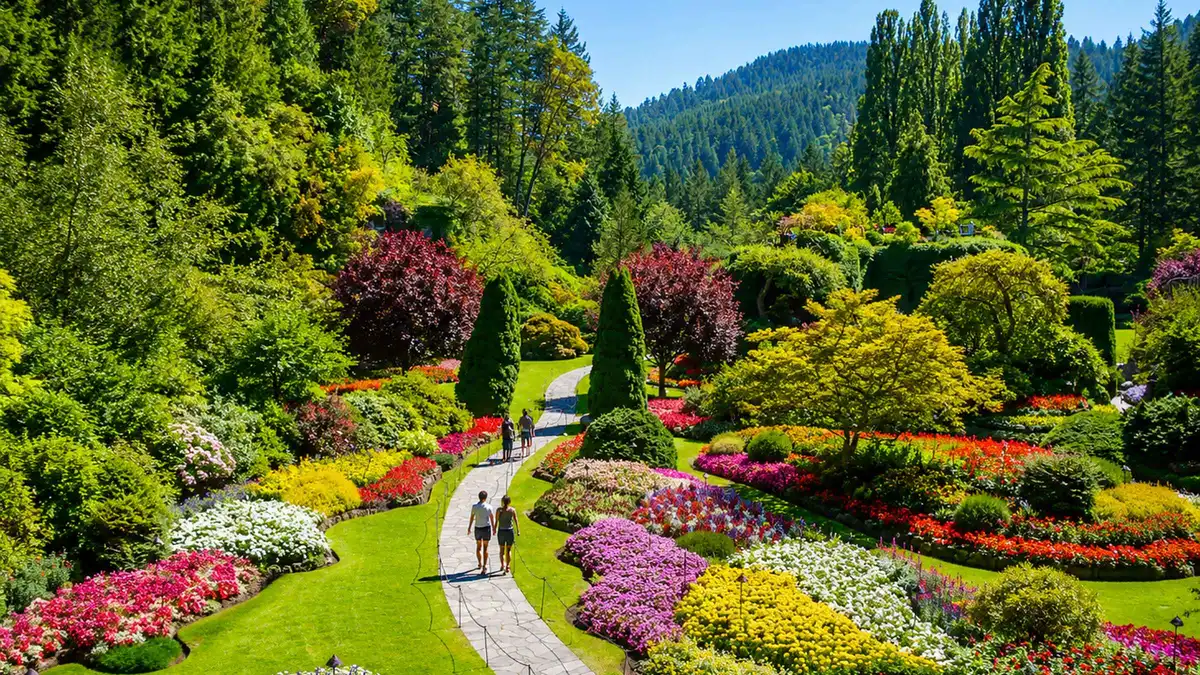 from $173.71
Top rated
from $173.71
Top rated
Vancouver: Victoria, Gulf Islands Cruise, & Butchart Gardens
Thirteen hours from downtown to Victoria and back with the ferry crossing, Butchart Gardens entry and about two hours each at the gardens and in the city. Pickup runs 30 to 60 minutes before the stated departure.
Check AvailabilityPrices, ratings and details are the platform's own. Dollar figures are the listed prices. The platform bills in your account's currency.
Where To Go From Here
The pages that take a summer week apart in more detail.
Best time to visit
The full twelve-month table, with the shoulder months that read badly next to July and are not: best time to visit Vancouver.
Month by monthVancouver in winter
Rain at sea level, snow on three mountains, and the gardens that cut their hours to four a day: Vancouver in winter.
The other end of the yearParks and beaches
Every beach and pool compared on lifeguards, facilities, transit and parking: Vancouver parks and beaches.
Fifteen, mappedDay trips
Whistler, Victoria, Squamish and the islands, with the coach fares and ferry prices that decide them: day trips from Vancouver.
The summer-shaped onesVancouver in summer: questions
Does it rain much in Vancouver in July?
No, and this is the statistic that surprises people most. July averages 36 mm of rain across 6.3 days with measurable precipitation, of which only 2.4 carry 5 mm or more. November, by comparison, averages 189 mm over 20.4 wet days. August is almost identical to July at 37 mm and 6.7 wet days. Those are Environment and Climate Change Canada's measured normals at Vancouver International, not a model. The weather table has June to September.
What is the hottest month in Vancouver?
August, by a tenth of a degree. The thirty-year mean daily high is 22.3 degrees Celsius in August and 22.2 in July, with overnight lows of 15.0 and 14.6. That is warm rather than hot, and it is why the city has heated outdoor pools rather than a swimming season anyone would call reliable. If heat is what you want, the difference between the two months is inside the margin of error; the difference that matters is wildfire smoke, which peaks in August.
Are there fireworks in Vancouver in summer?
Not any more. The Vancouver Fireworks Festival Society states that it "has made the difficult decision to cancel the Honda Celebration of Light indefinitely", and no 2026 or 2027 dates exist. One free display does survive: Summer Lights in English Bay, on Friday 31 July 2026 during Pride week. Any page still printing three nights of international fireworks over English Bay is out of date. The festival table lists what does run.
When do the outdoor pools open and close?
In 2026, Kitsilano Pool ran 17 June to 13 September and Second Beach Pool closed on 7 September, so the season is about twelve weeks. Adult admission is $5.74 (CA$7.93) before tax on a single city-wide fee card, 75% of each session sells online three days ahead at noon, and 25% is held back for drop-ins with no guarantee of entry. Neither pool's page publishes the following year's opening date. The pool table has every rate and session time.
Is smoke a problem in Vancouver in August and September?
Sometimes, and it cannot be predicted at booking range. Metro Vancouver states that "wildfire smoke has impacted Metro Vancouver's air quality in seven of the last 10 years", with the worst monthly averages in 2017, 2018, 2020 and 2022. In 2023 it issued five advisories over 10 days with the heaviest impacts in August; in 2024 it issued no wildfire-smoke warning at all. Check the Air Quality Health Index, a 1 to 10+ hourly scale, on the morning of a mountain day. The smoke section has the sources.
Can you drink alcohol on the beach in summer here?
On seven of them, from 15 May to 30 September, between 11 am and 9 pm, if you are 19 or over and nothing you bring is glass. The seven are Jericho, Spanish Banks, Locarno, Second Beach, Kitsilano, Trout Lake and New Brighton. English Bay, Sunset Beach, Third Beach, CRAB Park and the Fraser River beaches are excluded, which rules out the three busiest downtown stretches. Cannabis is banned in every park and on every beach and on the seawall, regardless of season.
Is a summer visit worth it if the fireworks and the pools are gone by mid September?
Yes, and September is quietly one of the better months: 18.8 degrees and 8.3 wet days, drier than anything between October and May. What stops in the first two weeks of September is the staffed infrastructure, the lifeguards, the pools and the seasonal markets, not the weather or the sights. The mountains, the seawall, the two historic districts and the day trips all run, and the Whistler gondola actually drops from $79.70 (CA$110) to $68.80 (CA$95) on 8 September. What summer costs shows where the season moves a price.
A Vancouver Summer, on Film
A resident's version of the season, a visitor's version of the same weeks, and a long unedited walk through the downtown streets on a hot afternoon.
Summer in Vancouver BC
The season as people who live here spend it, which is mostly outdoors and mostly free.
Video: LIVING IN VANCOUVER BCThis Is What Summer in Vancouver Looks Like
Beaches, the seawall and the long evenings, useful for judging how busy the shoreline actually gets.
Video: Daphne XploresVancouver Summer Walk, Downtown, 4K 60fps
An unedited walk across the downtown peninsula, which is the 4 km this page keeps describing.
Video: A walk around the worldVideos load from YouTube only when you press play.
Prices, hours and terms are set by the venue or operator and confirmed at checkout.
We may earn a commission if you book through one of our links, at no extra cost to you. Full affiliate disclosure