 Vancouver Trip Guide
Is Vancouver Expensive? What a Visitor Actually Pays
Is Vancouver expensive? The honest answer has two halves, and most pages give you only one. The city's outdoor life is free: the seawall, nine beaches, the parks and the viewpoints charge nothing in any month. What costs money here is sleeping, eating and the ticketed attractions, and all three are quoted before tax, which is the part that surprises people at the till. This page prices a visitor's day three ways from published figures, sets out the taxes a traveller actually meets, and explains the currency convention used across this guide. Fares and passes live on the transit guide, the free layer on the free things to do list, and the ticketed attractions on the tickets index.
Quick answer A day priced three ways, the tax that gets added, and what is genuinely free
A frugal day in Vancouver costs about $29.50 (CA$40.70) per person once you walk, use two stored-value transit taps and skip the ticketed attractions. A middle day with a DayPass, one paid viewpoint and three meals comes to about $69.90 (CA$96.43). The room is the expensive part: downtown hotels averaged CA$343 a night across the first half of 2026, before 18.5 percent in government tax.
Key takeaways
- Nothing you see priced in Vancouver is the price you pay. Most goods take 12 percent, a restaurant meal 5 percent, a hotel room 18.5 percent, and the tax table shows which is which.
- The cheapest ticketed thing worth doing downtown is the Vancouver Lookout at CA$23.88 including tax, which is one of the few attractions in the city that prints a tax-inclusive price.
- Transit is the small number here: a stored-value single is CA$2.85 and an all-day pass CA$12.55, so two adults rarely need a taxi. The zones and the airport surcharge are on the transit guide.
- Tipping is 12 to 18 percent according to Destination Vancouver, the city's own tourism body, and no level of government publishes a figure at all.
- The best half of Vancouver is free in every month of the year, and the free list is where a tight budget should start.
Three Vancouver Amounts, Converted Live
Three sums a visitor really handles here, converted at the European Central Bank reference rate. The build prints the dated rate below and your browser refreshes it to today's, so these figures do not go stale between visits.
CA$10
A coffee and a pastry, the smallest note most people break
- USD$7.24
- EUR€6.24
- GBP£5.35
CA$41
A day on foot: two transit taps, lunch, a coffee, no ticket
- USD$29.7
- EUR€25.57
- GBP£21.93
CA$193
A day for two with one paid attraction between you
- USD$139.81
- EUR€120.38
- GBP£103.21
The last two rows are this guide's own planning figures, built from the day table below, not published prices. Canada quotes almost everything before tax, so treat every amount here as the number before the till adds its percentage. Source: European Central Bank reference rates via api.frankfurter.dev.
How Money Is Written on This Site
One convention, stated in full here and used on every other page of this guide.
Every price appears in US dollars first with the Canadian figure in brackets, like this: $18.11 (CA$25). The reasoning is simple. Most people reading a Vancouver guide are not Canadian and cannot judge a CA$76.95 admission at a glance, but the Canadian number is the official one, the one printed on the venue's own page and the one you hand over at the counter, so it keeps its place in brackets rather than being replaced.
The conversion rate is fixed for the whole site at CA$1 equals US$0.7244, the European Central Bank reference rate. Every dollar figure on every page is computed from it rather than estimated, and the panel above refreshes to the live rate in your browser. A gloss in passing prose, a parking meter, a fine or a deposit stays in Canadian dollars alone; the dual figure is reserved for the places where you are actually deciding to spend money.
Two things follow from that which are worth knowing before you read any price on this site. First, the Canadian figure is authoritative and the US figure is arithmetic: if a rate moves, the bracketed number is the one that drifts, never the CA$ one. Second, an attraction that publishes a price range rather than a fixed price, as the Vancouver Aquarium does with its day-to-day pricing, is printed here as a range, because collapsing it to one number would be inventing a figure the operator does not publish.
Where a venue does not publish a price at all, this guide says so and names who is not publishing it. That happens more often in Vancouver than you would expect, and the pattern is covered further down this page.
Rate: European Central Bank reference rates via https://api.frankfurter.dev , read in Q3 2026.
A Day Priced Three Ways
One person, one day, built from figures each operator publishes. Transit fares are TransLink's, the attraction prices come from the venues' own pages, and the food line is this guide's allowance rather than a published number, because no official body prices a visitor's lunch.
The three columns are not three qualities of trip. They are three answers to one question: how many things do you pay to go into. A low day in Vancouver is not a day of hardship, because the seawall, the beaches, Lynn Canyon's free suspension bridge and the Granville Island market all cost nothing.
A comfortable day is a day with a North Shore attraction in it, and that single line is what moves the total.
| What | Low day | Middle day | Comfortable day |
|---|---|---|---|
| Getting around | Two stored-value taps, CA$5.70 | All-day DayPass, CA$12.55 | DayPass CA$12.55 plus one short taxi |
| What you go into | Nothing ticketed: seawall, beaches, Lynn Canyon | Vancouver Lookout, CA$23.88 including tax | Capilano Suspension Bridge, CA$76.95 plus GST |
| Food and coffee | CA$35, our allowance | CA$60, our allowance | CA$110, our allowance |
| Day total | $29.50 (CA$40.70) | $69.90 (CA$96.43) | $147.30 (CA$203.35) |
| Two people, same day | $59.00 (CA$81.40) | $139.70 (CA$192.86) | $294.60 (CA$406.70) |
Read the middle column as the realistic one. It buys a full day of transit, one thing you go inside, and food that is neither a supermarket sandwich nor a tasting menu. Two people on that pattern spend a little under CA$200 a day before the room, which is the figure worth carrying in your head.
What the table cannot show is how steeply the comfortable column climbs if you keep adding North Shore attractions. Capilano and Grouse Mountain are the two most expensive individual tickets a visitor is likely to buy in this city, and buying both on the same day for a family of four is a bigger single expense than most people's hotel night. That is the argument for the Capilano ticket comparison and for the free alternative on the Lynn Canyon page, where the bridge costs nothing and is run by the District of North Vancouver.
None of the three columns includes the room. Accommodation is the single largest line in a Vancouver trip and it deserves its own arithmetic, which is below but one.
TransLink fares from https://www.translink.ca/transit-fares/pricing-and-fare-zones ; Vancouver Lookout from https://vancouverlookout.com/ ; Capilano rates from https://www.capbridge.com/tickets-and-hours/ . All read in Q3 2026.
The Taxes a Visitor Meets
British Columbia adds tax at the till rather than into the shelf price, and the rate depends on what you bought. Rates below are the Province's and the Canada Revenue Agency's own, read in Q3 2026.
There is no single sales tax in British Columbia. There is a federal Goods and Services Tax of 5 percent, and a separate Provincial Sales Tax that is 7 percent on most goods, 10 percent on liquor, 8 percent on a hotel room and zero on restaurant food. That last one catches people out in the useful direction: a meal in a restaurant carries GST only, so the number at the bottom of a Vancouver dinner bill is smaller than a visitor from a 20 percent VAT country expects, right up until the tip prompt appears.
| What you are buying | GST | PST | What is added at the till |
|---|---|---|---|
| A restaurant meal, food only | 5% | None. Food for human consumption is PST exempt | 5% |
| Wine, beer or a cocktail on the same bill | 5% | 10% liquor rate | 15% |
| Clothes, souvenirs, most goods | 5% | 7% general rate | 12% |
| A hotel room in the City of Vancouver | 5% | 8% PST plus 3% MRDT plus 2.5% Major Events MRDT | 18.5% |
| A mandatory service charge added by a restaurant | Not charged on the gratuity | No PST on mandatory gratuities | Nothing |
Two of those rows deserve a sentence each. The 10 percent liquor rate applies to the drink and not to the meal beside it, so a bill with wine on it carries two different provincial rates at once and the arithmetic on the receipt will not look like a single percentage. And mandatory gratuities are outside the tax base entirely: the Province states that PST is not charged on them because they do not form part of the purchase price. What it does not state anywhere we could find is a rule for voluntary tips, so treat the tax as calculated on the pre-tip subtotal.
The hotel row is the one that changes a budget rather than a bill, and it gets its own worked example below.
What Nobody Publishes About Admission Tickets
The Province's PST page states a general 7 percent rate on goods and services with exceptions, and none of the government pages read for this guide states a rule for attraction admissions. So rather than assert one, this site reports what each venue itself says, and the venues are split three ways.
Some print tax-inclusive prices and say so: the Vancouver Lookout publishes every tier as including taxes and fees, and the Aquarium states that the price shown once you select a date includes tax. Some publish pre-tax figures and say so: Capilano's page reads that park rates are subject to GST, and VanDusen's odd-cent prices such as CA$15.81 are pre-tax figures, which is exactly why they carry odd cents. And some publish a bare number with no tax statement at all, Science World and Grouse Mountain among them. When this guide quotes a price it says which of the three you are looking at.
Canada Revenue Agency GST/HST rates; Province of British Columbia PST pages for general goods, accommodation and food and beverage service providers; Destination Vancouver's customs and taxes page at https://www.destinationvancouver.com/meeting-professionals/plan/customs-and-taxes . All read in Q3 2026.
A Hotel Bill, Line by Line
Downtown Vancouver hotels averaged a daily rate of CA$343 across January to June 2026 on Destination Vancouver's own figures. Here is what that room costs once the levies land, using the tourism body's own published breakdown.
Accommodation prices in Canada are quoted before tax, and Vancouver stacks four government levies plus one industry fee on top of the rate you were shown.
| Line on the bill | Rate | On a CA$343 room | Who levies it |
|---|---|---|---|
| Room rate | CA$343.00 | The hotel | |
| Goods and Services Tax | 5% | CA$17.15 | Government of Canada |
| Provincial Sales Tax on accommodation | 8% | CA$27.44 | Province of British Columbia |
| Municipal and Regional District Tax | 3% | CA$10.29 | The Province, on behalf of the City |
| Major Events MRDT | 2.5% | CA$8.58 | In force 1 February 2023 to 31 January 2030 |
| Destination Marketing Fee | 1.5% | CA$5.15 | A hotel industry fee, not a tax |
| What you pay | 20% on top | CA$411.61, about $298.20 |
The four government levies come to 18.5 percent. The fifth line, the Destination Marketing Fee, is charged by the hotel sector rather than by any government, which is why Destination Vancouver's own breakdown reaches 20 percent while the legislated total is lower. Both numbers are correct; they are counting different things, and a hotel that does not participate will not show the fifth line at all.
The Major Events levy is the unusual one. It is a time-limited 2.5 percent surcharge on short-term accommodation inside the City of Vancouver, in force from 1 February 2023 until 31 January 2030, created to fund the costs of hosting international major events. A visitor in 2026 is paying it, and a visitor in 2031 will not be, which is worth knowing when you compare an old blog's budget with a current one.
Where you sleep changes the number more than when you sleep, and Destination Vancouver publishes no monthly rate curve at all, so the widely repeated claim that a Vancouver room is cheap in January is unquantified. It is probably true, and nobody publishes the figure that would prove it. Area by area, the neighbourhoods guide sets out which parts of the city put you inside walking distance of the seawall and which trade that for a lower rate.
Destination Vancouver, Research and Insights and the customs and taxes page; Province of British Columbia accommodation PST page. Read in Q3 2026.
Tipping, Cash and Cards
The only citable tipping figure for this city comes from Destination Vancouver, the official destination marketing organisation, which states that tipping is customary though not mandatory and that guests commonly tip 12 to 18 percent in restaurants, bars and salons. No page published by the Government of Canada or the Province of British Columbia states a percentage, because tipping is not regulated. So when a card terminal offers you 18, 20 and 25 percent, understand that the bottom of that range already sits above the middle of the only published norm the city has.
One mechanical detail matters more than the percentage: the terminal usually calculates its suggested tip on the post-tax total rather than the pre-tax subtotal. On a restaurant bill that is a difference of 5 percent of the base, which is small. On a bar bill carrying 15 percent tax it is not.
Cards, Cash and the One Place Cash Is Useless
Destination Vancouver's advice is that most places take Visa, Mastercard and other major cards, and that it is still handy to carry some cash. Nothing official goes further than that. There is no published list of cash-only venues, and no official Vancouver or British Columbia page states how foreign debit cards behave on the Interac network, which is the question visitors from Europe most often ask. This guide will not guess at either.
What is published, and worth carrying: the City of Vancouver stopped accepting coins at parking meters on 27 April 2026, so a pocket of change now pays for nothing on the street. Meters run from 9 a.m. to 10 p.m. seven days a week including statutory holidays, and are paid by card at the machine or through the PayByPhone and HotSpot apps with no added fee. The City also warns that QR code stickers on its meters are a scam, because it does not use QR codes at all. And the Aquarium has been cashless since May 2026, with cash-to-card kiosks on site for anyone who arrives with notes.
One genuine cash exception exists in the transport layer: Cypress Coach Lines, which runs the shuttle to Cypress Mountain, states that it currently accepts only cash for fares.
Destination Vancouver travel tips at https://www.destinationvancouver.com/plan-your-trip/travel-tips-tools/ ; City of Vancouver parking meter pages; vanaqua.org; cypresscoachlines.com. Read in Q3 2026.
What the Sights Cost
Adult admission at ten things a first visitor considers, each from the venue's own page, with the tax position stated because it is not uniform. The right hand column is the free or cheap thing that covers similar ground.
Vancouver's ticketed attractions cluster at two price points that are far apart. Downtown, almost everything sits between CA$14 and CA$40. Across the water on the North Shore, the two big private attractions cost two to three times that, and they are the reason a Vancouver day can suddenly feel expensive.
| Attraction | Adult ticket | In US dollars | Tax position | The cheap alternative |
|---|---|---|---|---|
| Vancouver Lookout | CA$23.88 | $17.30 | Including taxes and fees | Canada Place promenade, free |
| Flyover, at Canada Place | CA$37 online, CA$39 at the gate | $26.80 / $28.30 | Not stated | None; it is a ride |
| Science World | CA$37.50 | $27.20 | Not stated | Beaty Biodiversity Museum, CA$18 |
| Vancouver Art Gallery | CA$35, or CA$29 for BC residents | $25.40 / $21.00 | Not stated | Free first Friday of the month, 4 to 8 p.m. |
| Capilano Suspension Bridge | CA$76.95 plus GST | $55.70 before tax | Rates are subject to GST | Lynn Canyon suspension bridge, free |
| Grouse Mountain admission | CA$89 | $64.50 | Not stated | The Grouse Grind is free uphill |
Four smaller ones fill the gap between those rows and cost less than a restaurant main: the Dr. Sun Yat-Sen Classical Chinese Garden at CA$16, the Bill Reid Gallery at CA$15 with free admission from 2 to 5 p.m. on the first Friday of each month, the Vancouver Police Museum at CA$14, and Bloedel Conservatory at CA$9.50 before tax, which is the cheapest indoor hour in the city and the one to remember when the weather turns.
There are two structural savings worth planning around rather than stumbling into. The Museum of Anthropology charges half price on Thursday evenings after 5 p.m. and stays open until 9. The Beaty Biodiversity Museum runs Beaty Nocturnal on the third Thursday of every month from 5 to 8:30 p.m., admission by donation. Both turn a CA$26 or CA$18 ticket into something close to free for anyone whose day is flexible.
There Is No Vancouver City Pass
This is the single most useful negative fact on this page. Vancouver has no CityPASS and no Go City pass. Neither company sells this city: citypass.com lists seventeen destinations of which Toronto is the only Canadian one, and Go City's own destination list carries no Canadian city at all, with its Vancouver URL returning a 404. Third-party listings describing a Go City Vancouver pass that bundles Capilano, Grouse and the Aquarium are describing a product that does not exist.
What does exist is smaller and honest: the Vanier Park Pass, sold online only, covering the Museum of Vancouver, the Vancouver Maritime Museum and the H.R. MacMillan Space Centre, with a stated saving of more than 20 percent. None of the three museums publishes the pass price on its own site, so this guide does not print one. The tickets index sets out what is genuinely bundled in this city and what is marketing.
Venue pages: vancouverlookout.com, experienceflyover.com, scienceworld.ca, vanartgallery.bc.ca, capbridge.com, grousemountain.com, moa.ubc.ca, beatymuseum.ubc.ca, museumofvancouver.ca, citypass.com and gocity.com, all read in Q3 2026.
The Cheapest Way to Move Around
TransLink's fares changed on 1 July 2026, rising by an average of 5 percent, so any figure published before that date is stale. These are the current ones, and the full zone map is on the transit guide.
Vancouver is unusually cheap to move around for a city of its size, and the reason is a rule rather than a price: every trip across the whole system is charged at the one-zone rate after 6:30 p.m. on weekdays and all day at weekends and on statutory holidays, and buses are one-zone at all times. A visitor who sightsees in the evening and at weekends is paying the minimum fare almost by accident.
| Fare | Adult | In US dollars | What it covers |
|---|---|---|---|
| One zone, Compass stored value | CA$2.85 | $2.06 | 90 minutes across bus, SkyTrain and SeaBus |
| One zone, contactless card or cash | CA$3.50 | $2.54 | The same trip, at the cash rate |
| Two zones, stored value, before 6:30 p.m. on a weekday | CA$4.20 | $3.04 | Downtown to Lonsdale Quay by SeaBus |
| DayPass | CA$12.55 | $9.09 | All zones, all day |
| Children 12 and under | Free | Free | Bus, SkyTrain, SeaBus and West Coast Express |
Tapping a contactless bank card is the obvious move for a short trip and it costs you CA$0.65 more per journey than the stored-value fare, because contactless is charged at the cash rate. A Compass Card carries a CA$6 refundable deposit, so the card pays for itself somewhere around the tenth trip and the deposit comes back when you return it at Waterfront Station. Under about nine journeys, tap your own card and forget about it.
The DayPass at CA$12.55 beats stored value from the fifth trip of the day, or the third if any of them cross a zone boundary before 6:30 p.m. Children riding free is the detail that changes a family's arithmetic completely, and it is covered on the Vancouver with kids page.
One fare is not a fare at all: leaving the airport, the Canada Line adds a CA$6.50 AddFare on top of the zone fare, charged only on eastbound trips starting at YVR. There is no AddFare on journeys to the airport. TransLink publishes the two components on separate pages and never adds them together, so any single combined airport-to-downtown figure you read, including any arithmetic on this site, is arithmetic rather than a published fare. The transit guide shows the working. Once the fare arithmetic is settled, the same questions about where the days go tend to lead toward guided tours vancouver, and the best tours in Vancouver are gathered on one page for exactly that reason.
TransLink pricing and fare zones, transferring and AddFare, and the Compass Card page, all read in Q3 2026.
Where the Money Leaks, and What Nobody Publishes
Six ways a Vancouver budget goes wrong, and the figures that do not exist to help you.
The Six Leaks
Each of these has caught visitors often enough to be worth a line.
- The shelf price is never the price. Tax is added at payment on almost everything, at 5, 12, 15 or 18.5 percent depending on what it is.
- The tip prompt starts above the published norm. Destination Vancouver's own range is 12 to 18 percent; terminals routinely open at 18.
- Contactless taps cost more than stored value, by CA$0.65 every single trip, because a tapped bank card pays the cash fare.
- Parking is not casual money. Stanley Park charges CA$4.75 an hour in high season with a CA$17.75 daily maximum, and pay parking is enforced from 6 a.m. to 11 p.m. all year.
- The free downtown shuttle to Grouse Mountain requires a round-trip Mountain Admission, and taking it forfeits the CA$10 discount the mountain gives guests who arrive by transit. Capilano's shuttle has no such condition.
- Mobi, the bike share, has no day pass at all. A visitor pays CA$1.25 to unlock plus CA$0.29 a minute, so a leisurely hour on a classic bike costs more than a DayPass on the whole transit system.
The Figures That Do Not Exist
A cost page is only as honest as its gaps, and Vancouver has several. There is no published combined fare from the airport to downtown, because TransLink prices the zone and the surcharge separately. There is no citywide parking meter rate, because the City routes block-level rates to its open data portal instead of publishing a headline figure, and Stanley Park's own rates are published by EasyPark rather than by the Park Board. There is no monthly hotel rate curve, so the winter discount cannot be quantified. Winter lift ticket prices at all three local mountains were unavailable when this page was written, with Grouse and Mount Seymour showing prices only inside a booking flow and Cypress's 2026-27 store carrying nothing at all.
And there is no price for the Vanier Park Pass on any of the three museums' pages, despite all three promoting it. Where this guide has a figure it says where it came from; where it does not, it says who is not publishing it, which is more useful than a number somebody invented. Everything else worth pricing before you come is on things to do in Vancouver.
EasyPark Stanley Park lot page; grousemountain.com shuttle and location pages; mobibikes.ca offers page; vancouver.ca parking meter pages. Read in Q3 2026.
Five Bookings Across the Price Range
From the cheapest ticketed thing downtown to the most expensive day on the water, with the operator's own listed price, rating and review count as read in Q3 2026. Each card links to the operator's page, where the calendar shows what is still open.
 from $12.33
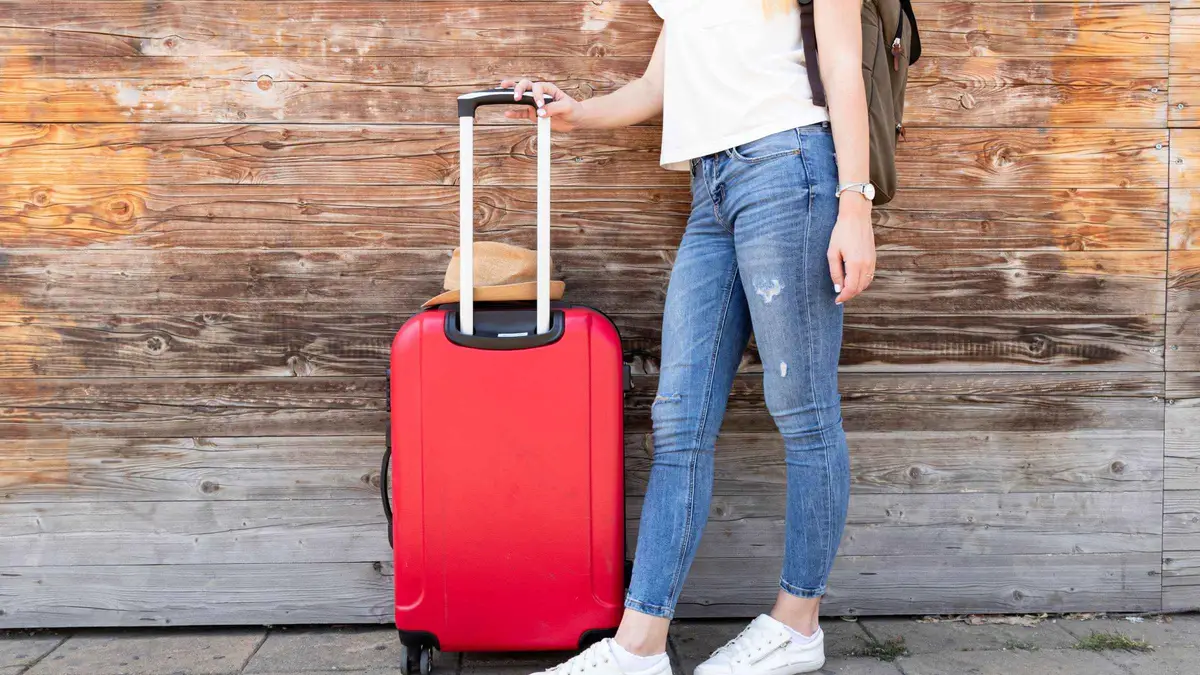
Vancouver: All-Day Luggage Storage at Cruise Terminal
Eight hours of storage for up to two bags per person, right at the Canada Place cruise terminal, so a disembarkation day can be spent in the city. Only open to arriving cruise passengers, and a third bag is charged on the spot.
Check Availability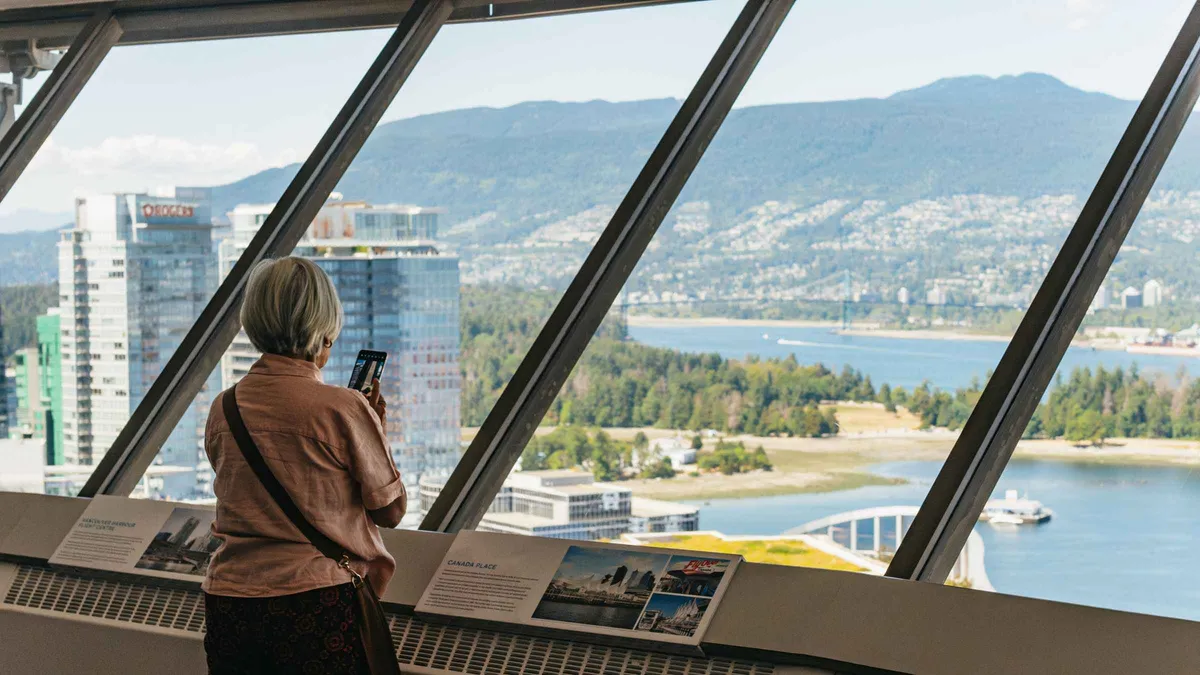 from $16.38
Vancouver: Entry Ticket for the Vancouver Lookout
One-time entry to the 168 metre observation deck at Harbour Centre, reached by an exterior glass elevator in 40 seconds. The ticket is valid for a single visit, so pick a clear day and go late for the light.
Check Availability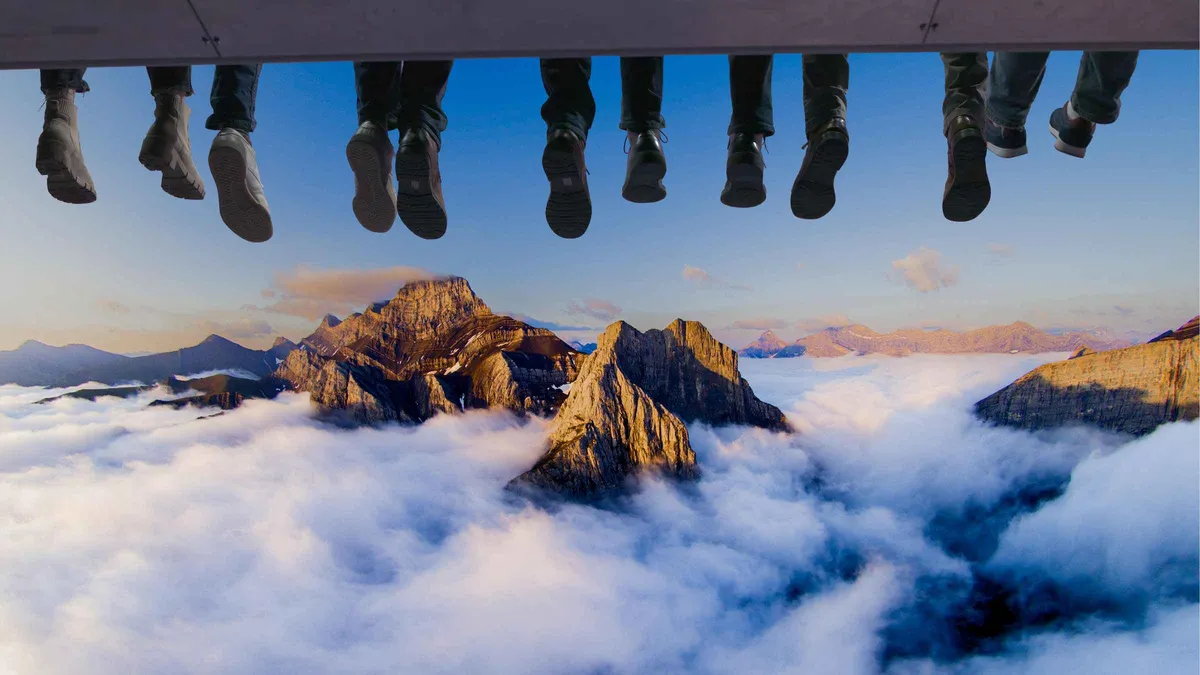 from $22.09
Vancouver: Flyover Flying Theatre Experience
A 30 minute flying theatre at Canada Place: a pre-show, then a motion seat in front of a 52 foot spherical screen with wind, mist and scent effects. Not for anyone with heart trouble or a fear of heights.
Check Availability from $50.12
Top rated
from $50.12
Top rated
Vancouver: Hop-On Hop-Off City Tour, SMALL GROUP "12 STOPS"
A hop-on hop-off route run in 15-seat vans rather than buses, with 24, 48 and 72 hour passes and 12 to 17 stops depending on the pass. The driver is not a guide and no attraction tickets are included.
Check Availability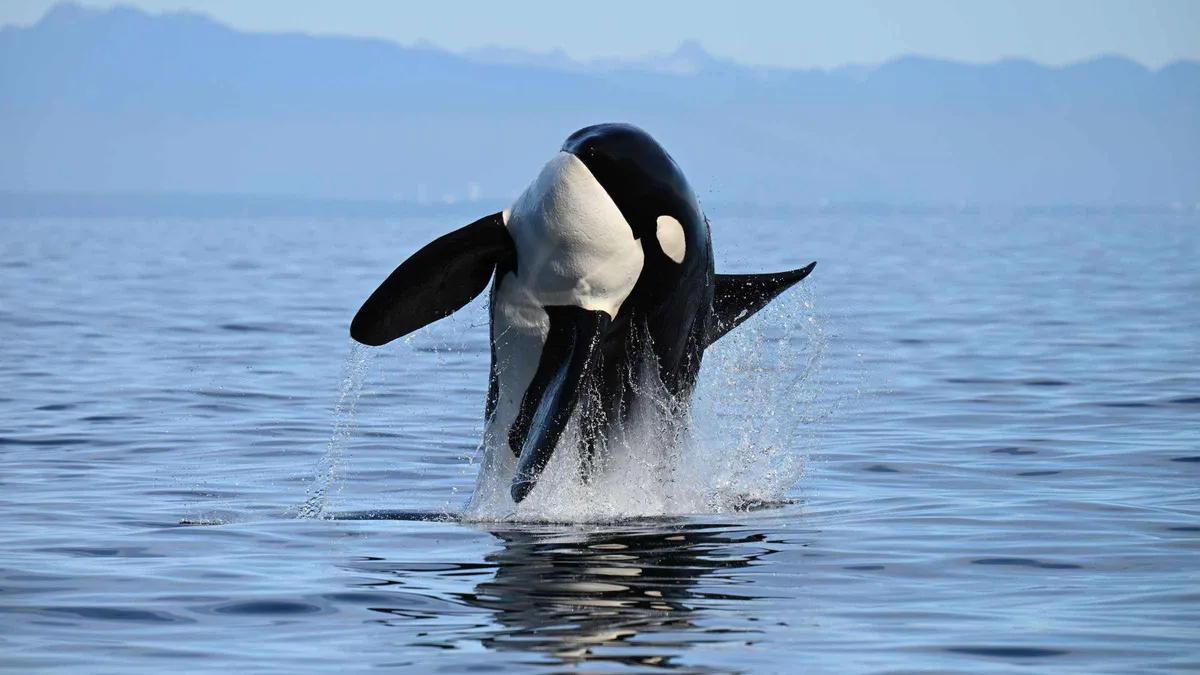 from $186.64
Top rated
from $186.64
Top rated
Vancouver: Whale & Wildlife Watching Tour with Free Photos
Up to five hours into the Salish Sea on a covered catamaran with heated cabin, three viewing decks and a naturalist on board. Photos are included and a no-sighting trip earns a free repeat, which is worth knowing before you book a single-day visit.
Check AvailabilityPrices, ratings and details are the platform's own. Dollar figures are the listed prices. The platform bills in your account's currency.
Where the Budget Goes Next
Three pages that turn this arithmetic into a plan.
The half that costs nothing
The seawall, nine beaches, the parks and the free suspension bridge: free things to do in Vancouver is the page that makes the low column of the day table possible.
28 km of seawall, no ticketThe fares behind the transit line
Zones, the 6:30 p.m. rule, the Compass deposit and the airport surcharge, in full: getting around Vancouver.
One zone after 6:30 p.m., alwaysWhen to come, and what it changes
Garden prices flip on a calendar day and the gondolas run seasonal bands: the best time to visit. Or start again at the planning hub.
VanDusen: CA$11.19 in winter, CA$15.81 in summerVancouver Costs: Questions
Is Vancouver expensive for tourists?
It is expensive to sleep in and moderate to move around. A room downtown averaged CA$343 a night across the first half of 2026 before 18.5 percent in government tax, which is the line that dominates a budget. Against that, a day's transit costs CA$12.55, the best walking in the city is free, and a middle day of sightseeing works out at $69.90 (CA$96.43) per person on the day table. The cheap way to visit this city is to pay for the bed and take the outdoors for nothing.
How much should I budget per day in Vancouver?
Excluding the room, budget around CA$100 a person for a day with one paid attraction, CA$40 if you walk and skip the tickets, and CA$200 if the day includes a North Shore attraction and three proper meals. The day table shows how each of those is built, and the single largest variable is how many things you go inside. The Vancouver Lookout ticket at CA$23.88 is the cheapest way to add one.
Why is Vancouver so expensive?
For a visitor, the answer is narrower than the usual cost-of-living argument: it is the room, plus 18.5 percent in government tax on top of it, in a city that recorded 11.3 million overnight visitors in 2025 and where downtown occupancy ran at 76 percent through the first half of 2026. Attractions themselves are mid-priced by North American standards, apart from the two private North Shore ones. Nothing on this page attempts to explain Vancouver's housing market, which is a residents' question and a different subject.
Do prices in Vancouver include tax?
Almost never. Shops, restaurants and most attraction pages quote before tax and add it at payment: 5 percent on restaurant food, 12 percent on most goods, 15 percent on alcohol and 18.5 percent on a hotel room. A few venues do include it and say so, notably the Vancouver Lookout and the Aquarium. The tax table lists which rate applies to what, and this guide states the tax position every time it quotes a price.
How much should I tip in Vancouver?
Destination Vancouver, the city's own tourism organisation, publishes 12 to 18 percent for restaurants, bars and salons, and that is the only citable figure anywhere: no level of government publishes one because tipping is unregulated. Card terminals commonly suggest 18 to 25 percent calculated on the post-tax total, so the lowest button offered is usually at the top of the published norm.
Is there a Vancouver city pass that saves money?
No. Vancouver has neither a CityPASS nor a Go City pass, and any listing offering one is selling a product those companies do not sell in this city. The only genuine multi-attraction bundle confirmed from an official source is the Vanier Park Pass covering three Vanier Park museums, which claims a saving of more than 20 percent but publishes no price. What actually saves money here is timing: free first Fridays at the Vancouver Art Gallery and the Bill Reid Gallery, half-price Thursday evenings at the Museum of Anthropology, and the by-donation Beaty Nocturnal. The tickets index has the list.
What does a Vancouver trip cost for a family of four?
The transit line collapses, because children 12 and under ride free on every mode, so two adults on a DayPass cover a family for CA$25.10 a day. The attraction line does the opposite: Grouse Mountain sells a family ticket for two adults and two children at CA$229, which is more than a middle day for four people put together. The Vancouver with kids page prices the family versions of the main attractions side by side.
Vancouver on a Budget, on Video
Three clips on the same question this page answers with numbers: what a visitor actually spends here, where the money goes and which free things are worth the day.
VANCOUVER Travel Guide: Budget Tips
A budget-first walk through the city, covering the same food, transit and attraction lines as the day table above.
Video: Travel For PhoebeVANCOUVER ON A BUDGET! What to Do for Free and how to Save Money
The free layer in practice, which is the column of the day table that keeps a Vancouver trip affordable.
Video: Travel Tips GroupVANCOUVER TRAVEL TIPS: 11 Things to Know Before You Go
Covers the tax-at-the-till and tipping habits that catch first-time visitors at the counter.
Video: Yellow ProductionsVideos load from YouTube only when you press play.
Prices, hours and terms are set by the venue or operator and confirmed at checkout.
We may earn a commission if you book through one of our links, at no extra cost to you. Full affiliate disclosure