 Vancouver Trip Guide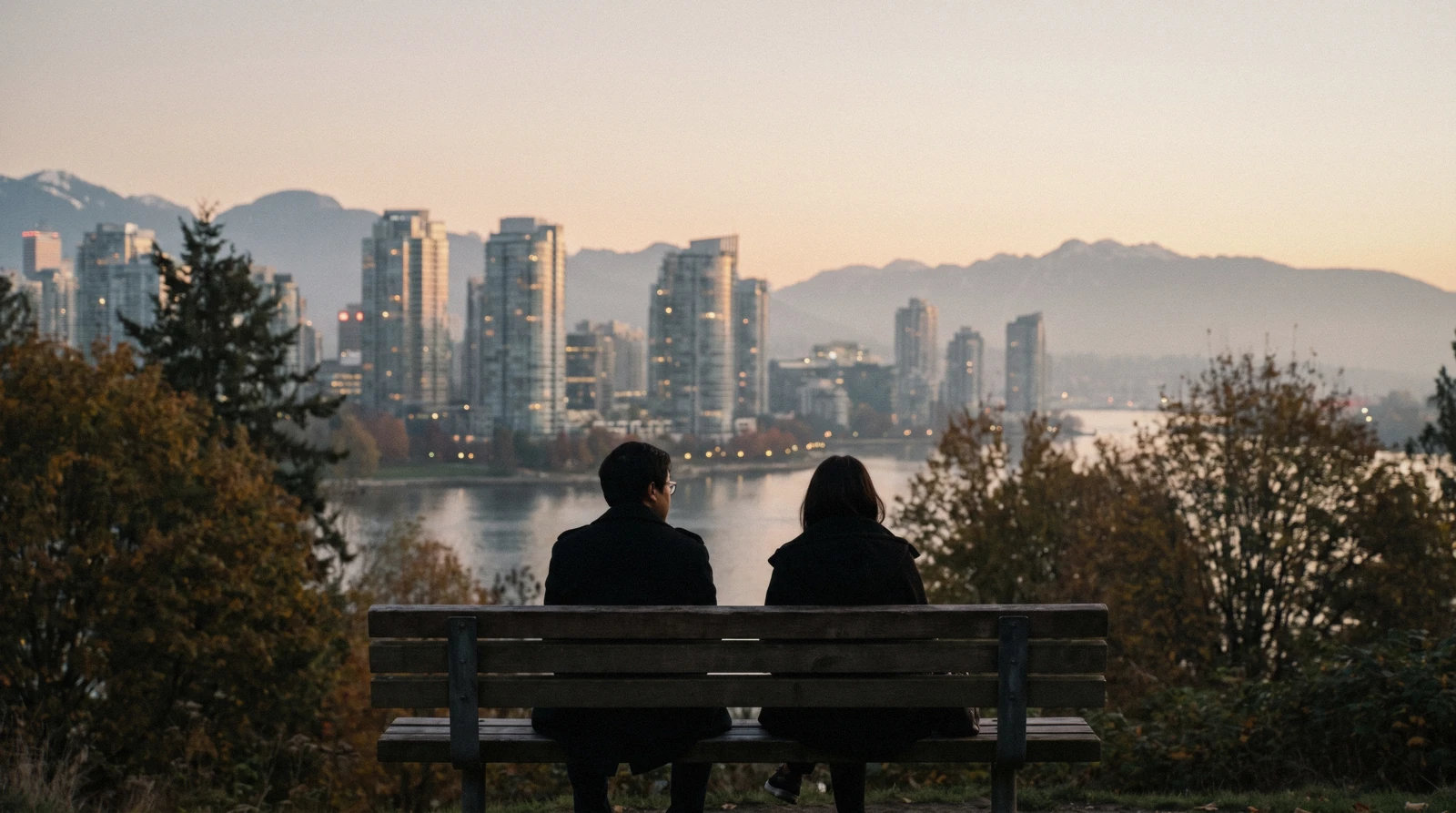
Is Vancouver Worth Visiting?
Is Vancouver worth visiting? Yes, on a specific set of terms, and this page states them rather than selling them. The city is world-class at two things and ordinary at several others, and knowing which is which before you book decides whether you come away thinking it was expensive and beautiful or just expensive. Everything below is either a published figure or a stated opinion labelled as one. The figures come from the police, the tourism board, the climate record and the restaurant guides, read in Q3 2026. Once you have decided, the planning hub has the practical layer and things to do in Vancouver has the list.
Quick answer What it is world-class at, what it is not, and who should skip it
Yes, for three or four days, if you come for the geography and the food rather than for history or museums. Vancouver is genuinely world-class at exactly two things: a city built where a mountain range meets the sea, with 28 kilometres of continuous paved waterfront path through it, and a restaurant scene carrying 12 Michelin one-star kitchens and 15 Bib Gourmands. It is not world-class at historic architecture, at museums, at nightlife or at value. If you want an old city, or you are travelling in November, or your budget is tight, this is not the trip.
Key takeaways
- The seawall is the reason to come, it is free, and it is flat for 28 kilometres from the convention centre to Spanish Banks
- The food is the second reason: the Michelin guide's Vancouver selection has no two-star or three-star kitchen but a dozen at one star, which is exactly what a visitor wants
- Cost is the honest problem: a downtown room averaged $248.50 (CA$343) in the first half of 2026 and carries 18.5% in government tax on top
- Short on time and unsure? A hop-on loop of twelve stops shows the shape of the place in an afternoon
What Vancouver Is And Is Not World-Class At
Our judgement in the left column, the published fact behind it in the middle. Figures come from the City, Destination Vancouver, Michelin, Environment and Climate Change Canada and the Vancouver Police Department, read in Q3 2026.
| Category | Verdict | The fact behind it |
|---|---|---|
| Geography and outdoors | World-class, and the reason to come | The City calls the seawall the world's longest uninterrupted waterfront path: 28 km from the Convention Centre to Spanish Banks |
| Food | World-class for the size of the city | 12 one-star restaurants and 15 Bib Gourmands in the Michelin Guide selection announced 2 October 2025 |
| Mountains from a city centre | Genuinely unusual | Twelve minutes on the SeaBus, then about 25 minutes on the 236 bus, puts you at the foot of a gondola |
| History and old architecture | Thin, and no amount of enthusiasm fixes it | The oldest commercial core in the city is Gastown, and its national historic designation predates Chinatown's, which came only in 2011 |
| Weather reliability | Poor outside summer | 1,189 mm of precipitation a year across 169 days; November alone averages 188.9 mm over 20.4 wet days |
The verdict column is ours and is labelled as such; the fact column is sourced and can be checked. The absence of any two-star or three-star restaurant is stated by the guide itself, not inferred.
What It Is Genuinely World-Class At
Two things, and a third that depends on your interests. Being specific about this is more useful than a list of twenty attractions.
The first is the arrangement of the place. Vancouver sits on a peninsula with an inlet on one side, a river delta on the other and a wall of mountains across the water, and the whole waterfront is a continuous paved path. That path, the seawall, runs 28 kilometres and is split into a walking lane and a wheeling lane along most of its length. Stanley Park at its northern end is free, enormous and hangs off the edge of downtown rather than sitting in the middle of it. You can be in old-growth forest twenty minutes after leaving a hotel lobby on foot, and on a mountain an hour after that: the SeaBus crosses to the North Shore in 12 minutes and the 236 bus reaches Grouse Mountain in about 25 more.
The second is dinner. The Michelin Guide's Vancouver selection, announced on 2 October 2025, holds 12 one-star restaurants and 15 Bib Gourmands, and no two-star or three-star kitchen at all. That is the shape a visitor benefits from: a dozen very good rooms rather than two unattainable ones. Canada's 100 Best 2026 ranks AnnaLena at 12, Kissa Tanto at 15, Sumibiyaki Arashi at 17 and Published on Main at 20 nationally. Where to eat in Vancouver sorts them by neighbourhood. For the mountains, the park and the rest of the waterfront beyond what you can cover on foot, the best tours in Vancouver take the shape of the city into account and do the distance for you, and guided tours Vancouver lists them in one place.
The third is Indigenous art, and whether it lands depends on what you came for. Vancouver sits on the unceded territories of the xʷməθkʷəy̓əm (Musqueam), Sḵwx̱wú7mesh (Squamish) and səlilwətaɬ (Tsleil-Waututh) Nations, and the collection at the Museum of Anthropology is the one museum here that would be a destination in any city.
What It Is Not, And Nobody Says
The concessions are the reason this page exists. Every one of them is a real reason somebody has come away disappointed.
There is very little old here. Vancouver is a young city, and Gastown, the oldest quarter, is a handful of blocks of restored warehouse fronts that a European visitor will walk in twenty minutes and find pleasant rather than remarkable. If a historic centre makes a trip for you, no itinerary will turn this into one.
The museums, with one exception, are modest: the Museum of Anthropology is a genuine destination and the rest are city museums of normal size for a city of 750,000. The museums hub lists them honestly, including which open on Mondays, because the closure pattern here is not the European one.
- Nightlife is quiet for a city this size, and Vancouver is known locally as the No Fun City. The rules explain much of it: alcohol in public is legal only in named parks, on seven named beaches in season and in 13 designated plazas, and cannabis is banned in every park, on every beach and on the seawall
- The Honda Celebration of Light, the summer's fireworks set piece, has been cancelled indefinitely by the society that ran it, and most guides still print dates for it
- The Downtown Eastside sits immediately east of the tourist blocks and is confronting if you are not expecting it; the safety page covers where it is
- Only 77 days a year carry 5 mm of rain or more, but 169 carry something, and a grey week here is genuinely grey
The Cost Reality
The single most common complaint about Vancouver is the price, and it is fair. Here are the published numbers rather than the impression.
Downtown hotels ran at 76% occupancy with an average daily rate of CA$343, about $248.50, across January to June 2026, on Destination Vancouver's own figures. June alone averaged CA$518, a World Cup number rather than a planning one. On top of the room rate a hotel bill carries 18.5% in government tax: 8% provincial sales tax, 3% municipal and regional district tax, a 2.5% Major Events levy running to 31 January 2030 and 5% federal GST, reaching 20% once the industry's own 1.5% marketing fee is added.
Restaurants are gentler than they look, because restaurant food is exempt from provincial sales tax and carries 5% GST only, with alcohol on the same bill taxed separately at 15%. Tipping runs at 12 to 18%, published by Destination Vancouver and by no government page. Transit is cheap at $2.06 (CA$2.85) a one-zone ride on stored value, and tap water is free and safe, which deletes a line from a daily budget. The arithmetic is on what Vancouver costs.
Who Should Skip It, And Who Should Go
The most useful thing a guide can do is tell some readers not to come. Here is our reading, stated as opinion.
Is Vancouver good for tourists? Yes, for a particular kind, and the sorting is easy. Skip it if you are coming for a historic European-style city centre, if your only window is November through February and you need weather, if you have two days and would rather spend them somewhere denser, or if the budget is tight enough that an 18.5% room tax changes the trip. Vancouver rewards a slower, slightly more expensive holiday and punishes a rushed cheap one.
Go if you want mountains and ocean without renting a car, if you eat seriously, if you are sailing to Alaska and can add days either side, or if you are travelling with children, because the free outdoor layer does most of the work. Three to four days is right: two for the city, one for the North Shore, one for Whistler or Victoria. The hour-by-hour version is the three-day itinerary, and an orientation loop is the low-commitment first afternoon. For the shape of a first visit, start from what to do in Vancouver.
The Four That Make The Case
The bookings that show what the city is actually good at: the water, the park and the view. Operator listings in US dollars, read in Q3 2026.
 from $50.12
Top rated
from $50.12
Top rated
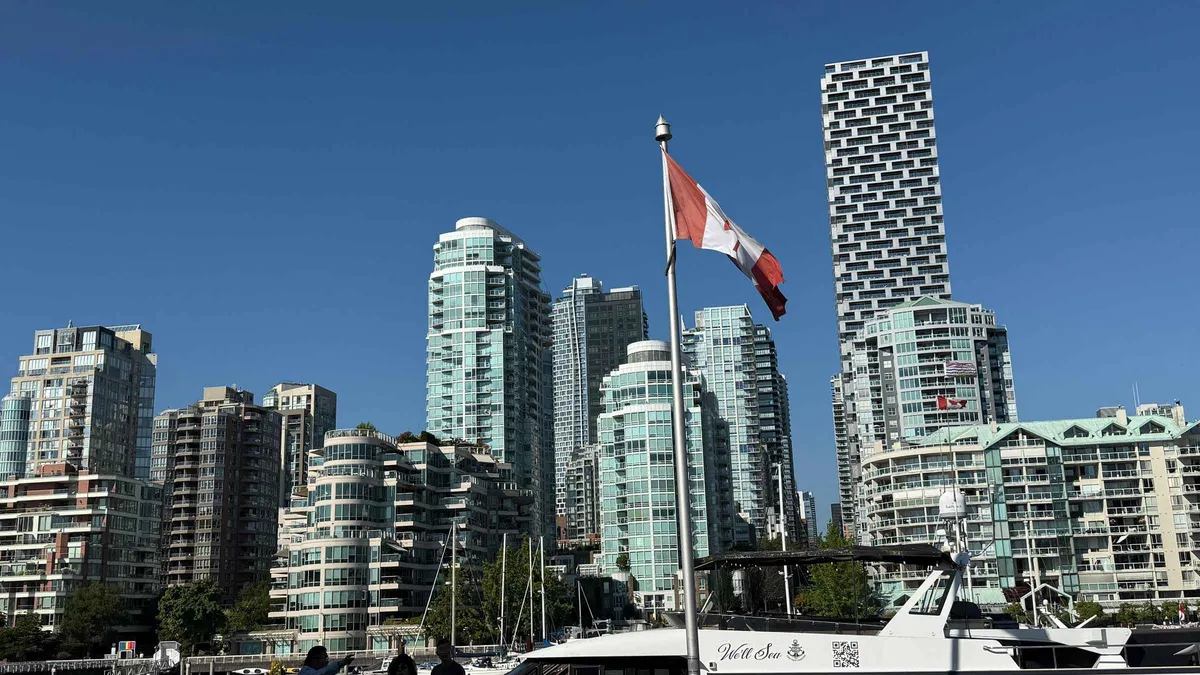
Vancouver: Hop-On Hop-Off City Tour, SMALL GROUP "12 STOPS"
A hop-on hop-off route run in 15-seat vans rather than buses, with 24, 48 and 72 hour passes and 12 to 17 stops depending on the pass. The driver is not a guide and no attraction tickets are included.
Check Availability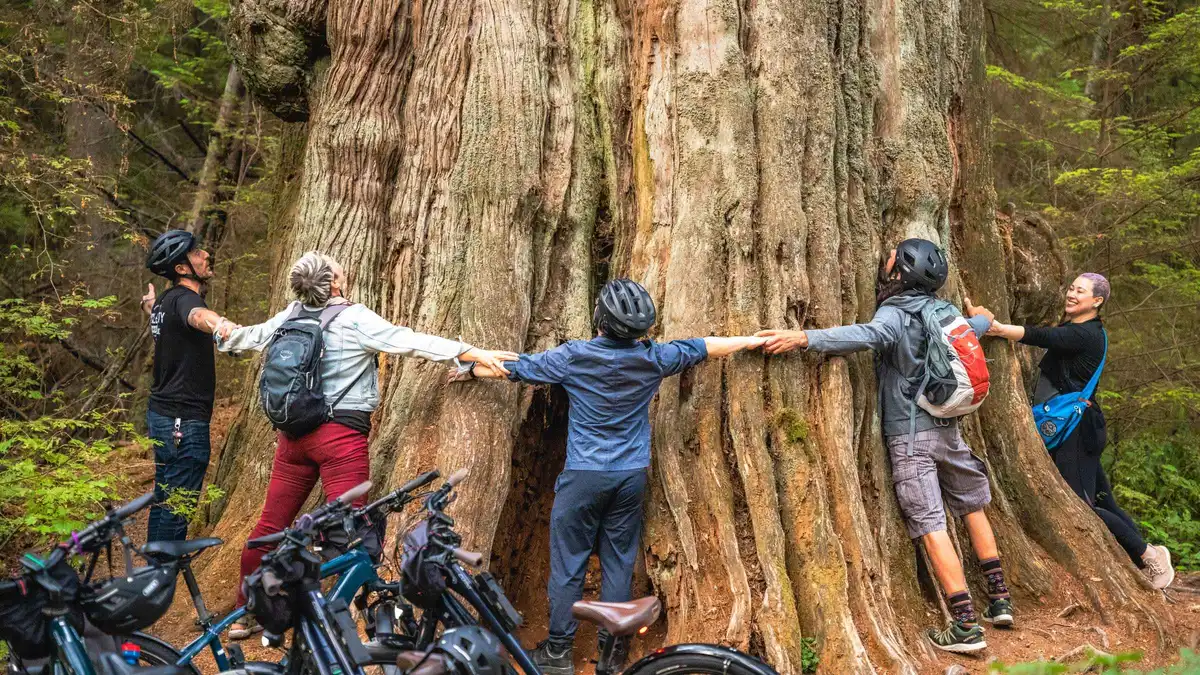 from $75.70
Top rated
from $75.70
Top rated
Vancouver: Stanley Park Bicycle Tour
Three hours and 12 flat kilometres through the West End, English Bay and Stanley Park with a guide who stops for the totem poles, Beaver Lake and the forest trails. Bike and helmet are included; e-bike upgrades are in-store only.
Check Availability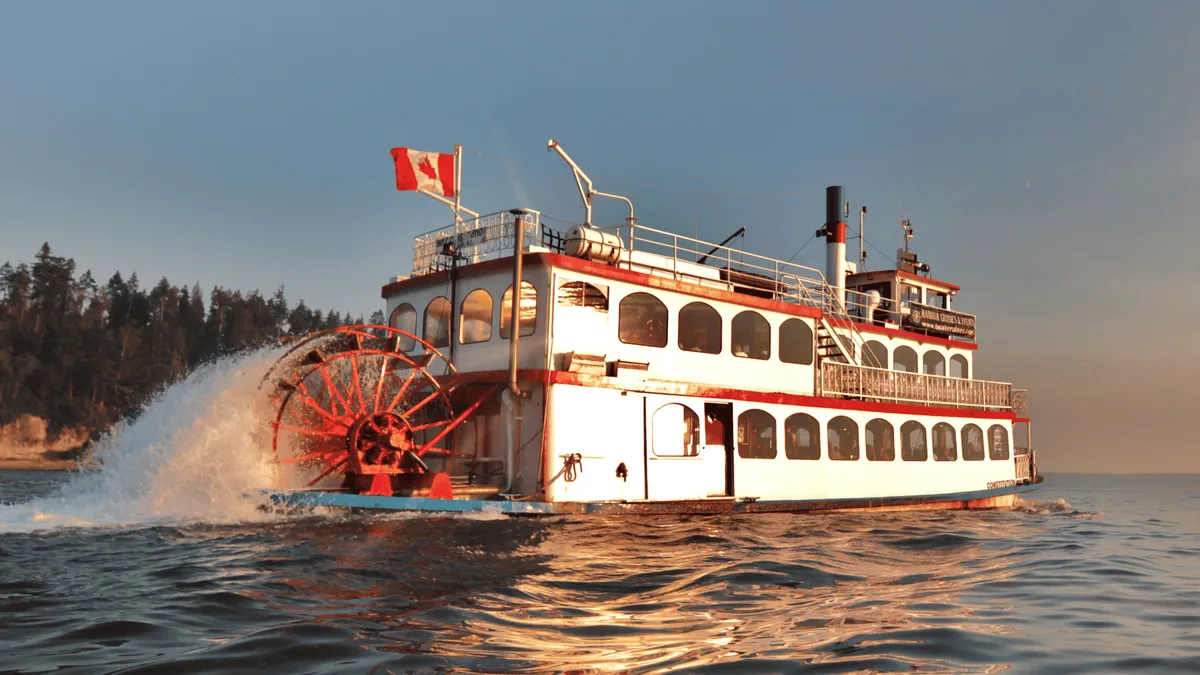 from $53.69
Vancouver: Harbor Sightseeing Cruise
One narrated hour around the inner harbour, past Stanley Park and under the Lions Gate Bridge, with open-air decks and a licensed bar on board. The shortest and cheapest way to see the city from the water.
Check Availability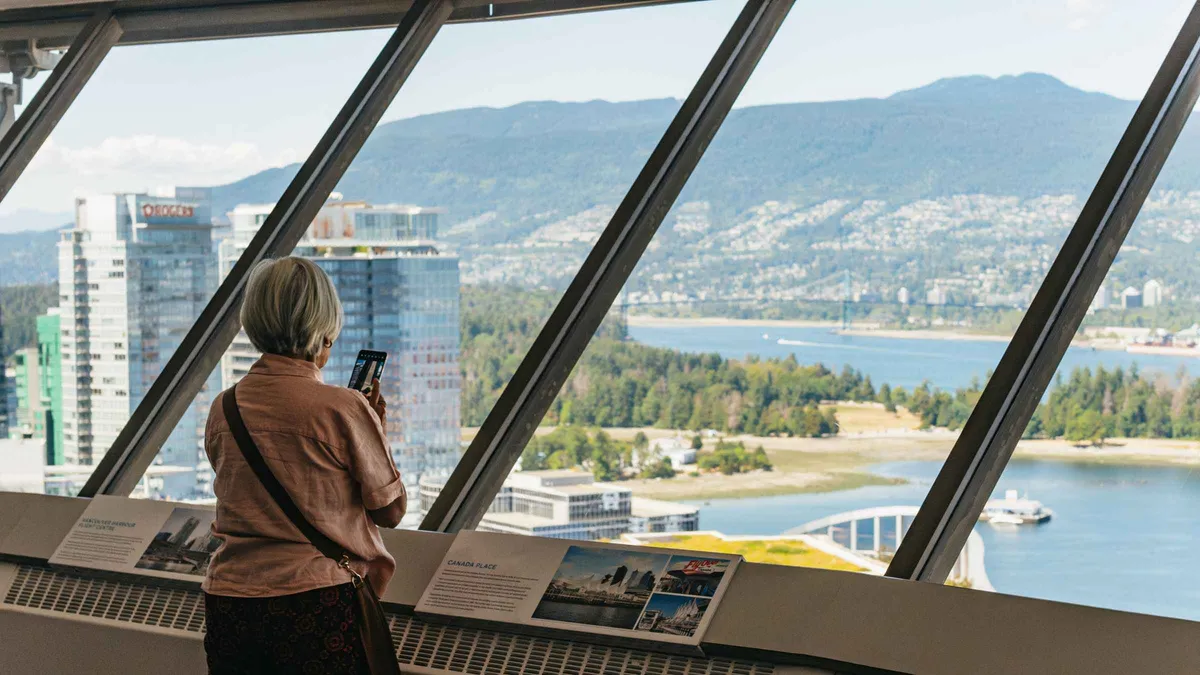 from $16.38
Vancouver: Entry Ticket for the Vancouver Lookout
One-time entry to the 168 metre observation deck at Harbour Centre, reached by an exterior glass elevator in 40 seconds. The ticket is valid for a single visit, so pick a clear day and go late for the light.
Check AvailabilityPrices, ratings and details are the platform's own. Dollar figures are the listed prices. The platform bills in your account's currency.
Where To Go Next
The pages that turn a yes into a plan.
Things to do in Vancouver
Every attraction with what it costs, how long it takes and whether it is worth the fare to reach it. Read the hub.
The listWhat Vancouver costs
Rooms, taxes, fares, meals and admissions in one place, with the figures that are official marked as such. Read the costs page.
The budgetBest time to visit Vancouver
The thirty-year rainfall and temperature record, month by month, and which months actually work. Read the season page.
The monthIs Vancouver Worth Visiting? The Questions Behind It
How many days is Vancouver worth?
Three to four. Two days covers the city itself, a third belongs on the North Shore or a mountain, and a fourth should leave town entirely. Beyond that you are repeating yourself unless you are hiking. The three-day itinerary is the version we would follow.
Is Vancouver worth visiting in the rain?
It depends how much rain. Only 77 days a year carry 5 mm or more, so most wet days are drizzle rather than a washout and the seawall still works. November, at 188.9 mm across 20.4 wet days, is the month to avoid. The season page has the full record, and the rainy day page has the indoor list.
Is Vancouver too expensive to be worth it?
It is expensive, and the room tax is the part people miss: 18.5% on top of a rate that averaged $248.50 (CA$343) downtown in the first half of 2026. Against that, the best thing in the city is a free path, transit is cheap and the tap water is drinkable. The cost section sets out where the money actually goes.
Who should not visit Vancouver?
Anyone travelling for historic architecture, anyone whose only window is deep winter and who needs weather, and anyone on a two-day stopover who would get more from a denser city. The section above makes the case both ways, and an orientation loop is the low-commitment way to test it if you are already here.
What is the one thing worth doing if I only do one?
Walk or ride the seawall around Stanley Park. It is free, it is flat, it takes two to three hours at walking pace, and it is the single thing this city does better than anywhere else. The seawall page has the route, and a guided ride covers it in three hours with the bike supplied.
The Case, Argued On Film
Three that treat the question as a question: a first-timer's briefing, a long list of things nobody tells you, and a resident's pros and cons.
Vancouver Travel Tips For 1st Timers: 20+ Must-Knows Before Visiting
The practical briefing, covering most of the caveats on this page from a visitor's side.
Video: Happy to Wander31 Tips I Wish I Knew Before Visiting Vancouver, Canada
A long list of the specifics that catch first-time visitors out, filmed on location.
Video: Camden DavidLIFE in Vancouver: PROS & CONS of living in Vancouver
The resident case for and against, which is more honest than most visitor videos.
Video: Must Do CanadaVideos load from YouTube only when you press play.
Prices, hours and terms are set by the venue or operator and confirmed at checkout.
We may earn a commission if you book through one of our links, at no extra cost to you. Full affiliate disclosure